Two events can look alike on paper and still come with very different AV quotes. A 50-person presentation has very different technical needs than a 500-person conference, and a single speaker with slides is a different job than a full day of speakers, videos, and stage elements.
Many details shape an AV quote, but 3 have an outsized impact. Once you know how each one moves the number, you can plan a more realistic budget and give your production provider what they need to recommend the right setup. Here's the short version:
- Audience size shapes how much sound, screen space, and crew you need.
- Your event schedule includes the setup, testing, and breakdown that happen around the event.
- Equipment costs more than the rental, because someone has to install, run, and remove it.
1. Size of Your Audience
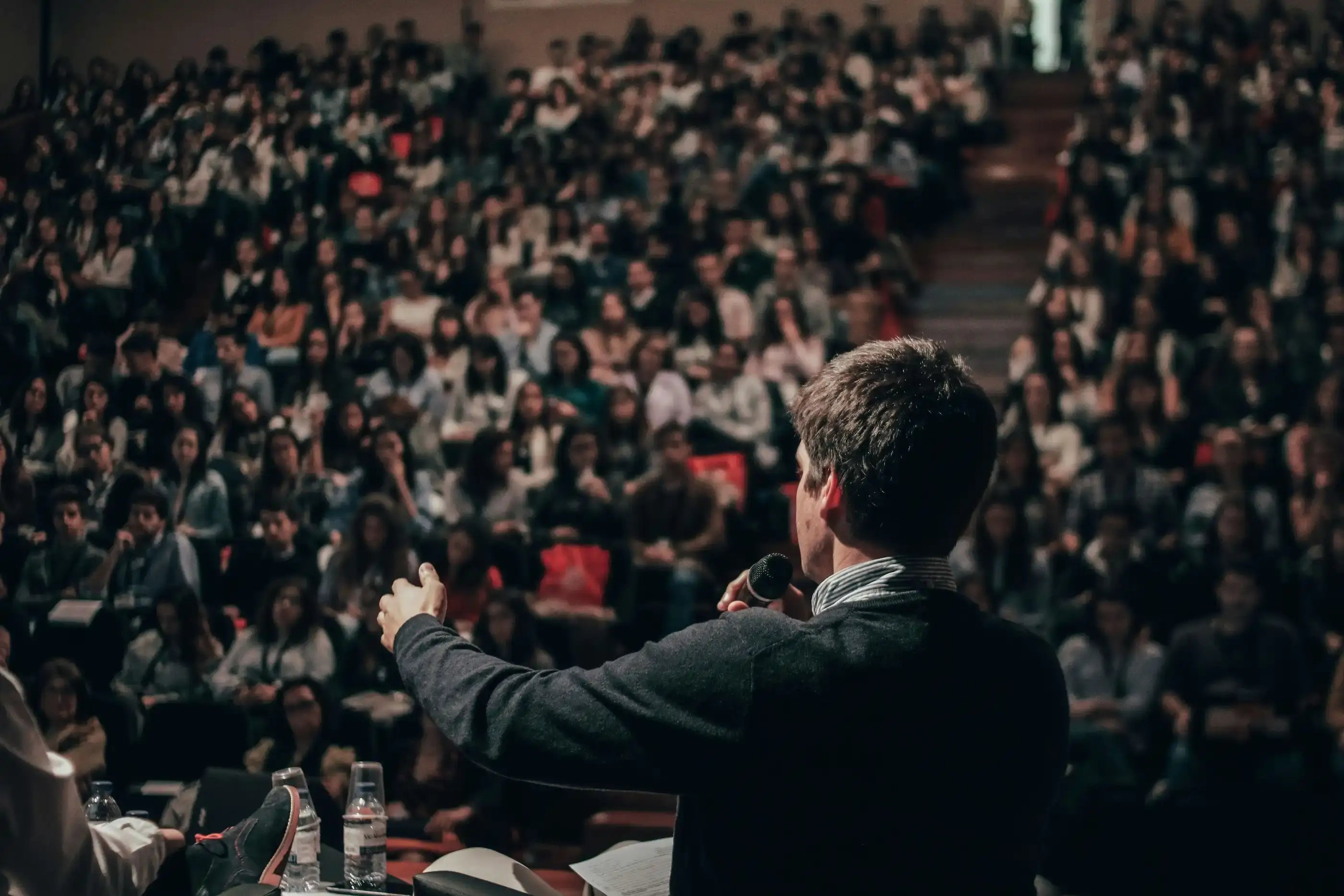 One of the first questions an AV provider will ask is how many people are coming. Everyone needs to hear and see clearly, no matter where they're sitting, so audience size sets the baseline for everything else. A small meeting might need a simple sound system, a screen, and a few microphones. A larger crowd may also need more loudspeakers for even sound coverage, bigger or additional screens, confidence monitors, and multiple cameras so presenters stay visible from the back row.
Audience size shapes the room, too. Larger venues bring longer cable runs, more complex screen placement, and extra technical control positions. They also tend to need more people. Instead of one technician juggling everything, a bigger production may have separate technicians for sound, video, presentations, and lighting.
That's why your attendance number matters. Even if final numbers aren't confirmed, a realistic estimate helps the production team choose the right equipment and build a more accurate quote.
2. Your Event Schedule
Your event might run from 9 am to 5 pm, but your AV team will be working well beyond those hours. For a morning start, most of the setup usually happens the day before, along with testing and rehearsals. That can add up to a full day of labor before the doors open.
On event day, the running crew arrives early so everything is ready before the first presenter does. Afterward, the equipment has to be disconnected, packed, and transported out. Those extra hours can reach overtime, typically after 10 consecutive hours, though that varies by city.
Venue access matters just as much. A simple setup with plenty of access time needs fewer resources, while a technical production with a tight window may need extra technicians working at once to finish on time. The program itself counts too: multiple sessions, breakout rooms, panels, frequent speaker changes, and videos all add technical coordination.
Share your event schedule and venue access times early. It gives your AV team time to plan delivery, setup, testing, live support, and breakdown.
3. The Amount of AV Equipment You Need
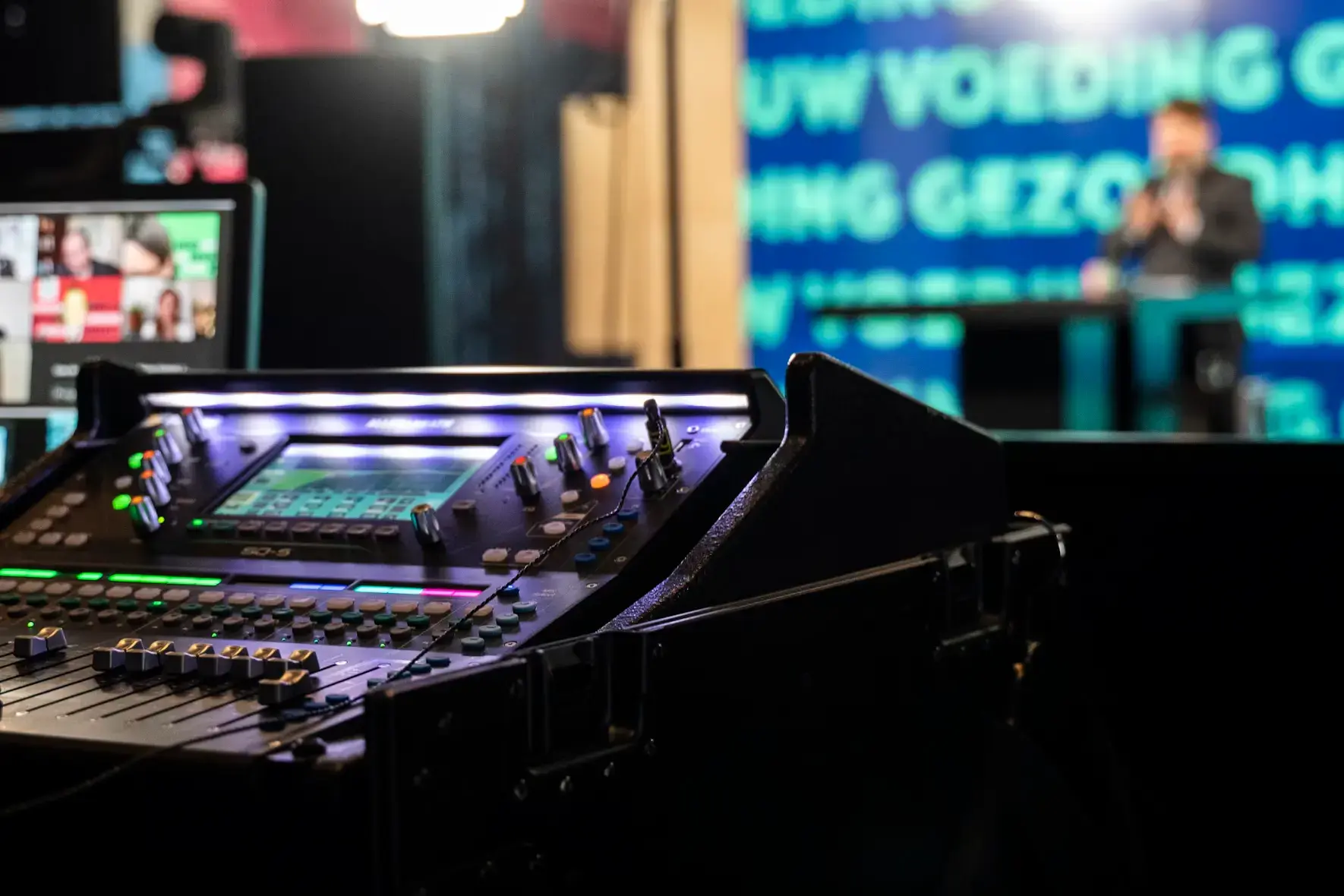
The type and quantity of equipment shape your overall corporate event AV budget too. Depending on your event, that could include microphones, speakers, mixing consoles, projectors, screens, cameras, presentation monitors, lighting, and staging. More equipment generally means a bigger budget, but the rental is only part of the picture.
Professional gear has to be prepared, transported, installed, configured, tested, operated, and removed. A bigger package means more transportation, more setup time, and more technicians. Equipment needs also grow with audience and venue size. A move to a larger room, for example, can mean more speakers for even coverage and bigger screens so everyone can see.
Bigger isn't automatically better, though. Aim for what your event genuinely needs rather than the largest package on the menu. An experienced AV production partner can help you separate the essentials from the nice-to-haves, so your budget goes toward the experience your audience will actually notice.
Plan Your AV Budget Around Your Event
 When planning your corporate event AV budget, keep 3 factors in mind: audience size, event schedule, and equipment. They feed into each other. A bigger audience might need a bigger venue, which needs more speakers, screens, and cameras, which means more transportation, setup time, and technical support. Looking at them as a package makes the budget easier to plan.
Early communication helps most. Share as much as you can about attendance, venue, timings, speakers, presentations, and staging. If you have a set budget, share that too, so the team can prioritize what matters most. For a deeper look at labor, logistics, and negotiating your AV contract, read our full event AV budgeting guide.
Corporate Event AV Budget FAQs
Get a Corporate Event AV Quote Based on Your Requirements
No single AV solution fits every corporate event. The right one is built around your audience, venue, schedule, and technical needs.
Talk to your AV production partner as early as you can. With accurate details about your event and your budget, they can recommend the equipment and support you actually need. Want a starting number first? Use our AV Budget Calculator to estimate the cost of your next event, or reach out to HB Live for a tailored quote.