When clients begin planning an event, one of the first questions they ask is what equipment they need. Microphones, speakers, mixers. It feels like the logical place to start.
But that is not how we approach it.
Clients do not want to rent a microphone. They want to create an experience where every word is heard clearly, every cue lands as intended, and the audience stays engaged from start to finish.
Choosing the right sound system is not about picking gear. It is about understanding the event, the environment, and the expectations. From there, the technology becomes a tool that supports the outcome.
This guide outlines the information we gather to design a sound system and why each piece matters in delivering great audio.
Understanding Your Event Audio Needs
Every event places different demands on an audio system. A corporate keynote, live performance, hybrid meeting, and outdoor festival all require different approaches to coverage, clarity, and control. Before selecting equipment, we look at the factors that shape how sound should be designed for the audience, venue, and overall event experience.
That process goes beyond simply choosing speakers or microphones. We evaluate how the event will function, how attendees will interact with the space, what type of content is being presented, and what level of coverage and flexibility the production requires. These details help determine everything from microphone selection and speaker placement to system scale and audio control requirements.
The sections below outline some of the key considerations that help shape an effective event audio setup.
Event Type Considerations
The type of event has a direct impact on how audio should be designed.
A corporate town hall or internal meeting typically prioritizes speech clarity above all else. Attendees need to clearly hear leadership, presenters, and panelists without strain, regardless of where they are seated.
Conferences and large meetings introduce more complexity. These events often include multiple speakers, panel discussions, video playback, and transitions between segments. The audio system must support all of these elements without interruption.
Live performances require a completely different approach. Music, instruments, and vocals all demand a system capable of handling a wider dynamic range. These environments also require additional components such as stage monitors so performers can hear themselves.
Smaller events, such as private gatherings or internal sessions, may seem simpler, but they still benefit from thoughtful design. Even in a small room, poor audio can quickly disrupt the experience.
Virtual and hybrid events add another layer. Audio must not only work in the room, but also translate clearly to remote audiences. This requires careful microphone selection and signal management.
Audio Purpose
Once the event type is defined, we look at what the audio system needs to deliver.
In many cases, the goal is clear speech. Every word should be intelligible without the audience needing to focus or strain. This influences microphone selection, speaker placement, and system tuning.
Some events require background music to support transitions or create atmosphere. In these cases, the system must balance clarity with tonal quality so that music enhances the experience without overwhelming it.
For performances, the system must deliver impact while maintaining control. This includes supporting instruments, vocals, and dynamic sound levels.
Planning Checklist
Before selecting any equipment, we evaluate a few key factors:
- Audience size and how people are distributed in the space
- Venue layout, including room shape and seating arrangement
- Type of content, such as speeches, panels, or performances
These inputs guide every decision that follows. Without them, it is difficult to design a system that performs consistently.
Types of Sound Systems and Equipment
Once we understand the event requirements, the next step is choosing the equipment needed to support them. Different events require different combinations of speakers, microphones, mixers, and control systems depending on the venue size, audience, and production complexity.
But choosing a sound system is not about selecting the “best” equipment. It is about selecting the right equipment for the environment, audience, and event goals. A breakout session for 100 attendees has very different audio requirements than a ballroom keynote for 1,000 guests or a live performance with multiple performers on stage.
The sections below break down the core audio components we evaluate and how those systems scale depending on the event experience clients are trying to create.
PA Systems Overview
At the core of most setups is a PA system. This system amplifies sound and distributes it across the audience.
A typical PA system includes:
- Speakers that project sound into the room
- Amplifiers that provide the necessary power
- Microphones that capture voices and instruments
- Audio mixers that control and balance all inputs
Each component must be selected and configured based on the event’s scale and complexity. The goal is not simply volume, but clarity and consistency across the entire audience.
Microphone Systems
Microphones are often the most visible part of the audio setup, and they play a critical role in both sound quality and presenter experience.
The first decision is whether to use wired or wireless microphones. Wired microphones are reliable and ideal for fixed positions such as podiums. Wireless microphones provide flexibility, allowing presenters to move freely across the stage or interact with the audience.
From there, we choose the right format based on how the microphone will be used.
- Handheld microphones are commonly used for presentations and audience questions
- Lapel microphones allow presenters to speak hands-free while maintaining a clean look
- Headset microphones are ideal for speakers who move frequently or need consistent positioning
There are also specialized solutions depending on the event format. Gooseneck microphones are often used for panels or lecterns where structure is important. Push-to-talk delegate systems are useful in formal meetings where participation needs to be controlled. In more interactive environments, throwable microphones can be used to engage the audience without slowing down the flow.
The goal is always the same. Match the microphone to how people will use it.
PA Systems
Once the core system components are defined, the next step is scaling the setup appropriately for the audience size and venue environment.
For smaller environments, such as breakout rooms with around 100 attendees, a compact system can deliver clear and effective coverage. These setups are designed to be simple and efficient.
Mid-size events, such as meetings with around 500 attendees, require more output and broader coverage. Multiple speakers are often used to ensure consistent sound throughout the room.
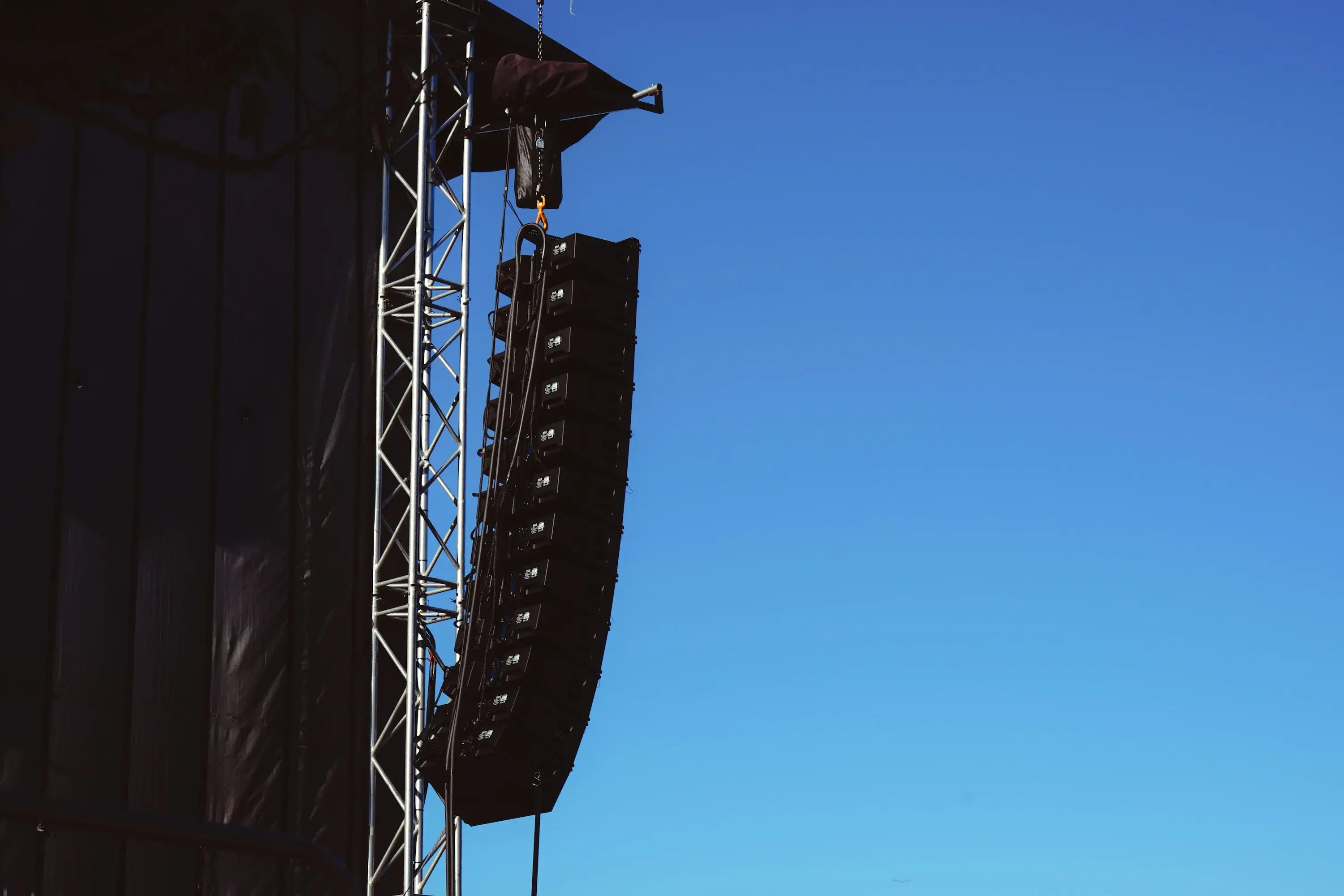
Larger events, particularly those in ballrooms with over 1,000 attendees, require more advanced systems. These setups are designed to project sound over longer distances while maintaining clarity. They often include distributed speakers and professional-grade equipment to ensure even coverage.
In every case, the goal is consistent. Deliver clear, intelligible sound to every listener in the room.
Matching Audio Setup to Event Type
With the system components defined, the next step is to align them with the specific demands of the event.
Conferences require a balance between speech and supporting audio elements. The system must handle multiple microphones, video playback, and smooth transitions between segments.
Live performances require additional layers of support. Performers need stage monitors to hear themselves, and the system must handle instruments and vocals without distortion. Subwoofers are often included to support low-frequency sound.
Outdoor events introduce different challenges. Without walls to contain sound, audio disperses more quickly. This requires higher output systems and careful placement to maintain coverage.
Matching the system to the event ensures that the audience experience remains consistent from beginning to end.
Venue Size, Layout, and Acoustics
Even the best sound system can underperform if it is not designed for the space. Venue size, ceiling height, room shape, surface materials, and audience placement all influence how sound travels and how clearly attendees hear the event. These environmental factors play a major role in speaker placement, system tuning, and overall audio coverage.
Indoor vs Outdoor Differences
Indoor environments introduce reflections. Sound bounces off walls, ceilings, and floors, which can create echo and reduce clarity.
Outdoor environments remove those reflections but introduce new challenges. Without boundaries, sound spreads more quickly, requiring more power and careful positioning.
Understanding Acoustics
Acoustics play a major role in how clearly attendees hear and understand audio throughout the event space.
Echo and reverberation can make speech harder to understand, especially in rooms with hard surfaces or high ceilings. Background noise from HVAC systems or external sources can also compete with the primary audio.
Simple testing, such as speaking or clapping in the space, can provide insight into how sound behaves. These observations help guide system design and tuning.
Speaker Placement Best Practices
Speaker placement plays a critical role in delivering consistent audio coverage throughout the venue.
Rather than relying on a single loud source, it is often better to use multiple speakers placed throughout the space. This approach distributes sound more evenly and reduces the need for excessive volume.
Placement also involves positioning speakers at the correct height and angle so that sound reaches the audience directly. In larger environments, distributed systems help ensure that every seat receives the same experience.
Budgeting for Your Sound System
Budget plays a role in every event, but it should be aligned with the importance of the experience.
Sound systems can generally be grouped into three levels:
- Basic systems for small meetings and simple presentations
- Intermediate systems for mid-size events with multiple inputs
- Advanced systems for large or high-impact events
While it may be tempting to reduce costs, underpowered or poorly matched systems can lead to inconsistent audio and a diminished experience.
It is also important to account for additional factors such as staffing, setup time, and system management. These elements are often overlooked but are critical to overall success.
Importance of the Audio Mixer
The audio mixer is the control center of the system.
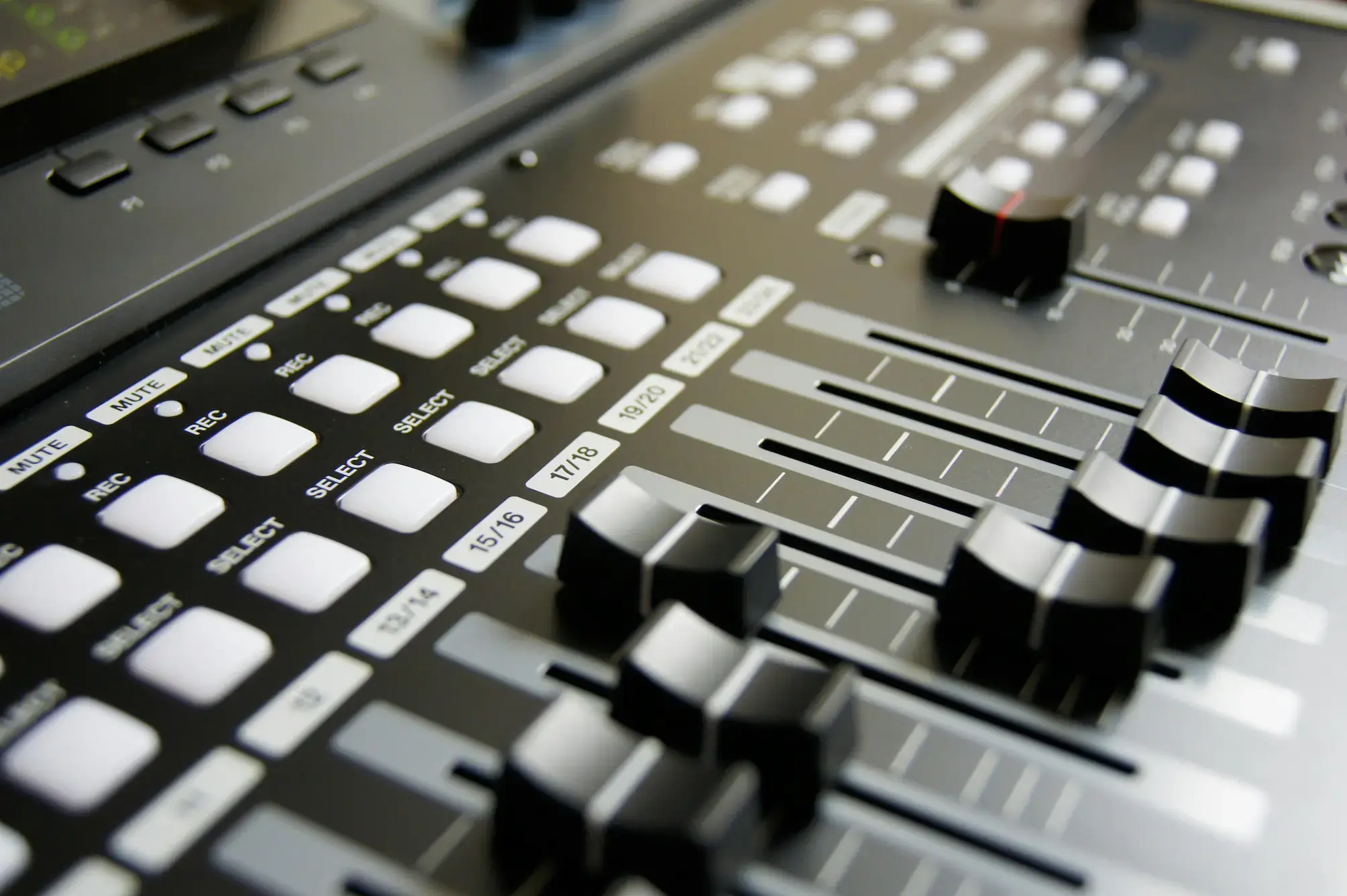
It allows technicians to balance multiple inputs, adjust levels, and ensure that speech and music are delivered clearly. Without proper mixing, even high-quality equipment can produce inconsistent results.
A well-managed mixer helps prevent common issues such as feedback, uneven volume, and sudden spikes. It also ensures smooth transitions between speakers, video playback, and other elements of the program.
Setup, Testing, and Event Preparation
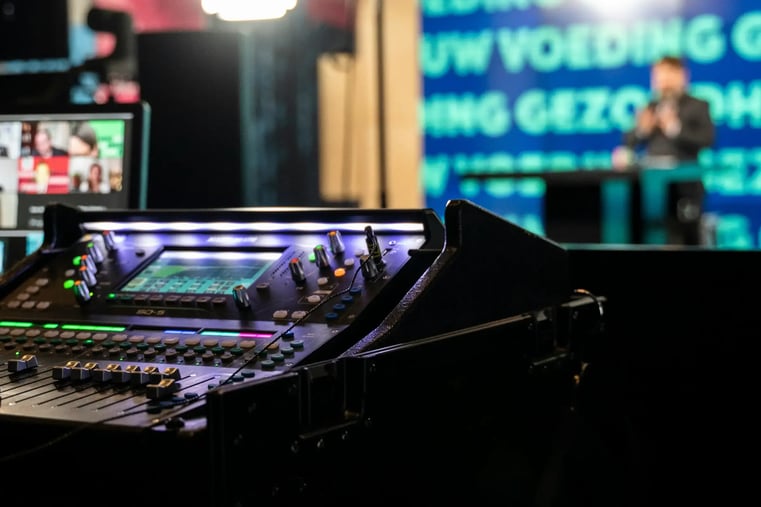
Preparation is where successful audio experiences are built.
Setup typically begins well in advance of the event. This allows time to install equipment, run cables, and configure the system properly.
Soundchecks are a critical part of this process. They allow the team to test microphones, adjust levels, and identify potential issues before the event begins. This is also the time to rehearse transitions and ensure everything is working as expected.
Event Day Checklist
Even the best audio systems still require proper testing and preparation before the event begins. Running through a final checklist helps identify issues early, ensures presenters and performers are supported, and reduces the risk of technical disruptions during the event.
A few key event-day audio checks include:
- Arrive early to confirm system readiness
- Test all microphones and playback sources
- Verify connections and secure cables
- Check wireless microphone battery levels
- Confirm presentation audio and video playback
- Run a final soundcheck with presenters or performers
- Prepare backup microphones, cables, and batteries
For a more comprehensive event preparation guide, including timelines, logistics, staffing, and production planning considerations, check out our blog on corporate event planning checklists.
Backup Planning
Redundancy is essential in live event environments where technical issues need to be resolved quickly without interrupting the audience experience.
Even with careful planning, unexpected issues can arise, from battery failures and cable issues to wireless interference or playback problems. Having spare microphones, backup batteries, duplicate playback sources, and contingency plans in place helps ensure the event can continue smoothly without major disruption. Professional production teams prepare for these scenarios in advance so problems can be resolved before attendees even notice them.
Hiring Technical Support
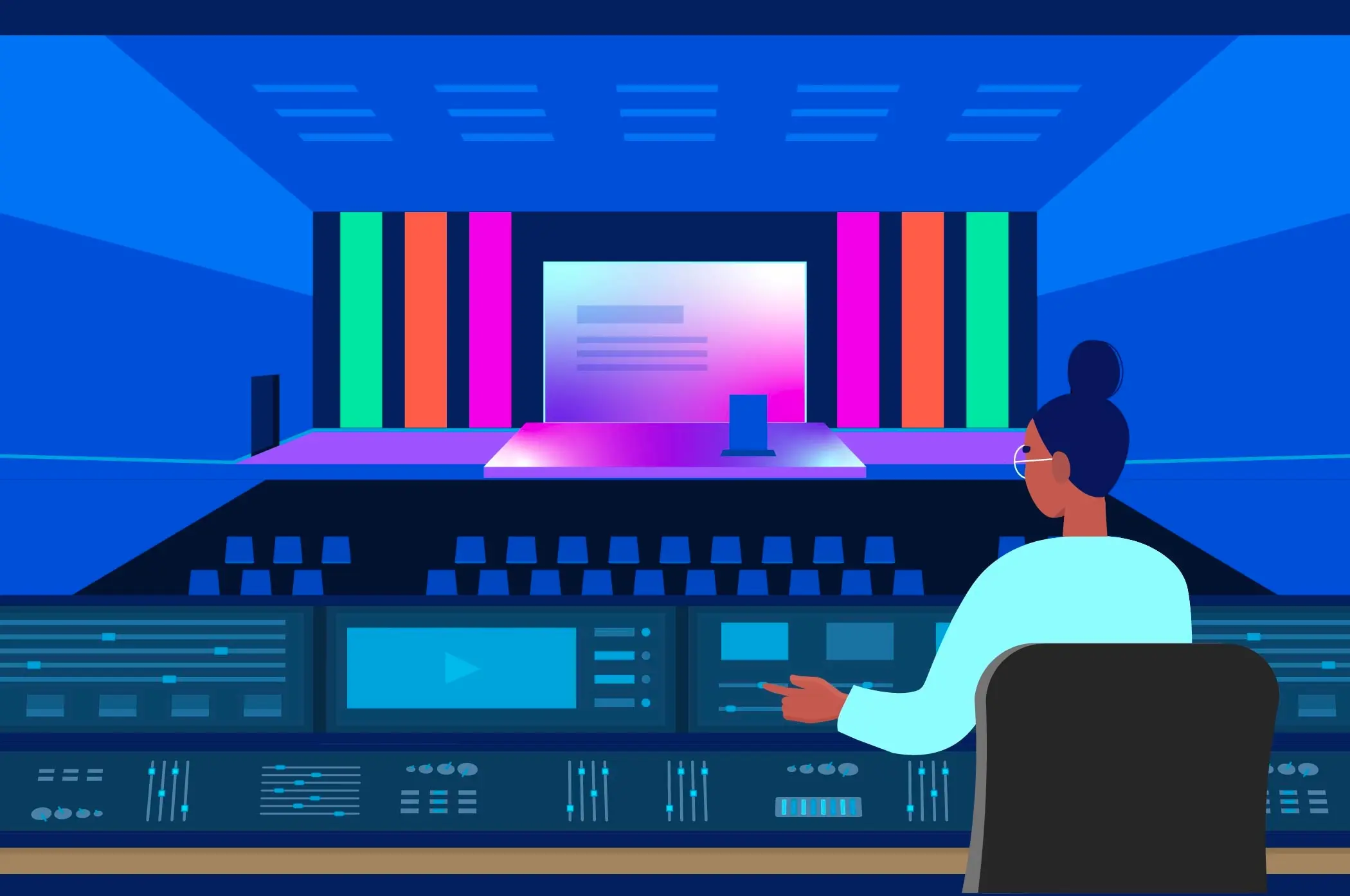
A professional audio team helps ensure the event runs smoothly before, during, and after attendees enter the room. Beyond operating equipment, the team is responsible for monitoring audio quality, troubleshooting issues in real time, coordinating transitions, and helping presenters feel supported throughout the event.
A typical crew includes:
- An A1 who manages the overall audio mix
- An A2 who supports setup, stage coordination, microphone management, and troubleshooting
- A wireless technician who manages microphone frequencies, battery changes, and signal stability throughout the event
Each role contributes to maintaining consistent audio quality, resolving technical issues quickly, and helping the production stay on schedule throughout the event.
Common Mistakes to Avoid
Even well-planned events can run into problems when audio is treated as an afterthought or not properly aligned to the venue and event format.
Common issues include:
- Skipping soundchecks and relying on assumptions
- Using systems that are underpowered for the space
- Over-reliance on wireless microphones without proper planning
- Choosing equipment based solely on cost
Many audio issues are preventable with proper planning, testing, and system design. Taking the time to evaluate the venue, audience, content format, and technical requirements early in the planning process helps reduce risk and creates a more professional experience for both presenters and attendees.
Final Tips for a Successful Audio Experience
Audio is one of the most important elements of any event, yet it is often only noticed when something goes wrong.
A strong audio experience starts with understanding the event and continues through careful planning and execution.
Keep these principles in mind:
- Plan early and define your audio goals
- Match the system to the environment and event type
- Test thoroughly before the event begins
- Prioritize clarity and consistency
There’s a lot that goes into building the right sound system for an event, and most of it happens long before anyone steps on stage. From room acoustics and speaker placement to microphone coordination and backup planning, every detail plays a role in the audience experience.
The good news is you do not have to figure it all out yourself. At HB Live, we help clients plan, manage, and execute professional audio setups tailored to their event, venue, and audience. From system design to event-day support, our team handles the technical details so you can stay focused on delivering a great event experience.