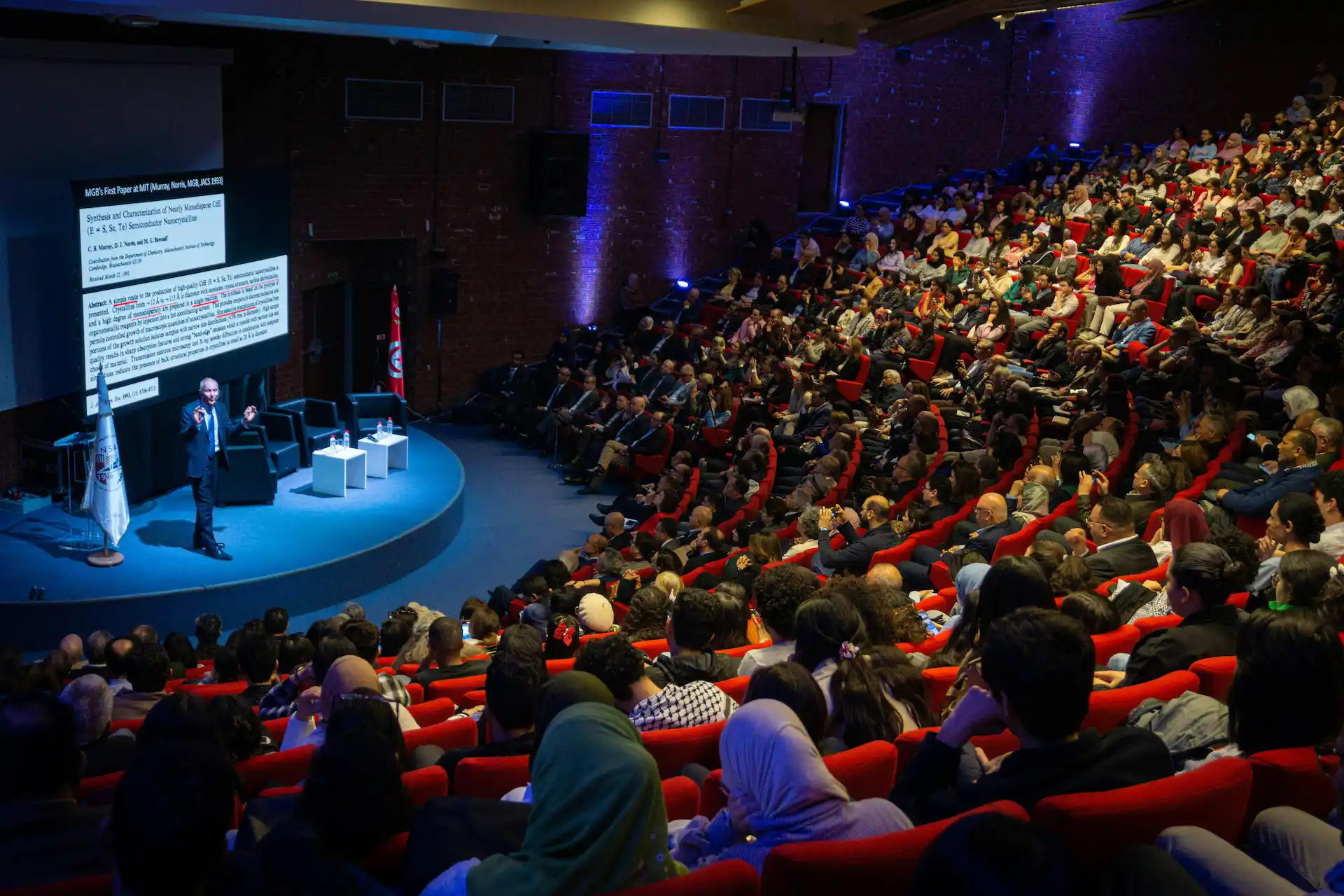
A great conference theme is more than a catchy tagline or visual concept. It gives your event a central idea that connects what your organization wants to communicate with what attendees actually experience.
The right theme can unify your messaging, guide speakers and content, influence event design, and make the conference more memorable. More importantly, it can reinforce your organization's mission and help move attendees toward a shared objective.
But choosing a conference theme shouldn't begin with brainstorming clever slogans. It starts with understanding why you're bringing people together in the first place.
For this article, we’re focusing specifically on internally focused employee conferences, such as annual meetings, sales kickoffs, leadership events, and other company gatherings. Industry conferences and client-facing events have their own considerations, but when your audience is your own people, your organization’s mission provides an important starting point for the theme.
Why Your Conference Theme Matters
Think of your conference theme as the thread running through the entire event.
It can connect keynote presentations, breakout sessions, stage design, graphics, networking activities, and other attendee experiences around one recognizable idea.
A clear theme also makes planning decisions easier. When you're deciding whether a presentation, activity, visual element, or piece of content belongs in the event, you can ask whether it supports the central theme and objective.
For attendees, that consistency can make the conference easier to understand and remember.
The goal isn't simply for people to remember a slogan. It's for them to remember the message behind it.
Start With Your Mission and Event Purpose
Purpose should come before creativity.
Before discussing conference theme ideas, go back to your organization's mission, vision, values, and current business objectives.
Why is the conference happening?
Maybe you're introducing a new strategy, bringing teams together after a period of change, developing employees, creating networking opportunities, or celebrating an important milestone.
Understanding that purpose gives the creative process direction.
Define What You Want the Conference to Achieve
Start by identifying the primary objective.
A conference might focus on:
- Team building
- Career growth
- Networking
- Organizational change
- Strategic alignment
- Celebration
Try to avoid making everything equally important. Instead, identify the outcome that matters most.
Ask yourself: What should happen differently because this conference took place?
Perhaps departments need to collaborate more effectively. Maybe employees need to understand a new strategy. Or the goal might be to recognize achievements and build excitement around what's coming next.
Once you know the outcome, you have a much stronger foundation for your theme.
Ask What Attendees Should Do, Know, and Feel
When defining the purpose of your conference, speaker and event host Penny Haslam recommends thinking about three outcomes: Do, Know, and Feel.
-
Do: What do you want attendees to do differently after the conference? This could mean taking action on a new strategy, collaborating more closely with colleagues, or applying something they've learned.
-
Know: What key information, message, or organizational value should attendees understand? If they remember only a few things from the event, what needs to be among them?
-
Feel: How do you want attendees to feel when they leave? Depending on the purpose of the conference, that might be confident, connected, appreciated, inspired, or excited about what's ahead.
For example, if your organization is entering a new phase of growth, attendees might need to know the strategy, feel confident about the direction, and do something differently to help move it forward.
As Haslam's framework highlights, thinking about these outcomes before developing the creative concept can help keep the conference focused on its audience. You can then use your Do, Know, and Feel objectives as a filter when evaluating potential themes: does this theme actually support what we want attendees to do, know, and feel?
Understand Your Conference Audience
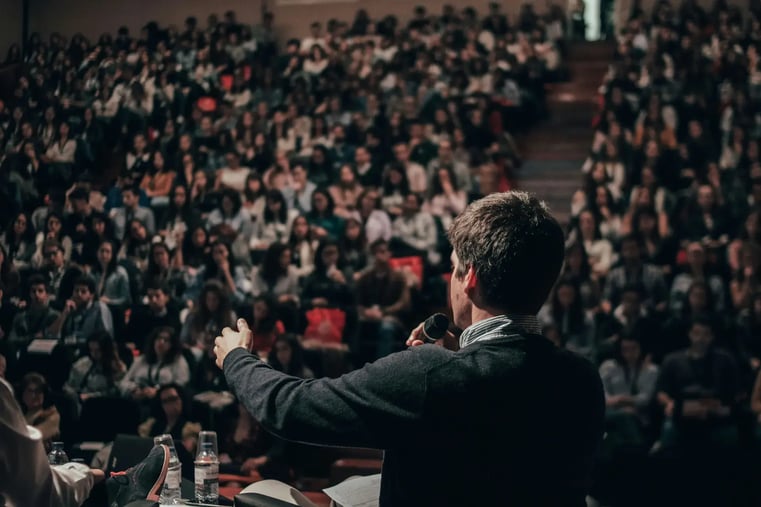
A theme shouldn't simply appeal to the people planning the conference. It needs to resonate with the employees and internal stakeholders attending it.
Consider who will be in the room. Are you bringing together the entire organization, a leadership team, sales teams, managers, or employees from different departments and locations? Their roles, expectations, motivations, and experiences within the organization should influence the direction you take.
An internal leadership conference, for example, will probably require a different approach from a company-wide sales kickoff or employee celebration.
Identify What Matters to Your Attendees
Ask what your attendees care about right now.
What motivates them? What challenges are they facing? What do they expect to get from the conference? What language will feel relevant rather than corporate or forced?
A theme becomes more meaningful when attendees can understand how it connects to them.
Choose the Right Tone
The purpose and audience should also determine the tone.
Your theme might be:
- Professional
- Aspirational
- Motivational
- Celebratory
- Educational
- Playful
There's no universally correct choice.
A playful concept might work brilliantly for one company and feel completely out of place at another. Similarly, an overly formal theme can fall flat when the goal is energy, collaboration, and creativity.
Choose a tone that feels authentic to both the event and the audience.
Consider What Is Happening Inside and Outside Your Organization
A conference doesn't happen in isolation. What's happening within your organization—and in the wider world—can significantly influence how attendees interpret your theme.
Penny Haslam describes these as “influencing factors”: the internal and external circumstances that can affect your audience and how they respond to your event.
Internally, that could include organizational change, a new company strategy, rapid growth, restructuring, leadership changes, or shifting business priorities. Externally, economic conditions, industry developments, emerging technology, and major news can all influence what attendees are thinking and feeling when they arrive.
For example, an ambitious theme centered on rapid growth might land very differently if employees have recently experienced significant organizational change. Likewise, a theme focused on maintaining the status quo may feel disconnected when an industry is undergoing major technological disruption.
Before committing to a conference theme, consider the factors currently influencing your audience. What is happening inside the organization? What is changing within your industry? What challenges or opportunities are people already talking about?
Taking those influencing factors into account can help you choose a theme that feels timely, relevant, and sensitive to the context in which your conference is taking place.
Align the Theme With Your Brand and Values
For an internal conference, the theme is an opportunity to connect employees with your organization's wider mission, values, strategy, and priorities.
It should feel like it belongs specifically to your organization. If the same theme could be placed on almost any company's conference without changing a word, it may be too generic to create a meaningful connection with your employees.
Connect Your Theme to Your Mission
Ask how each proposed theme reinforces what your organization stands for and where it's going.
The connection doesn't need to be overly literal, but it should be genuine.
A theme that sounds impressive but has no relationship with the organization's wider mission may create attractive graphics without contributing much meaning to the conference.
Reflect Your Company Values
Company values can also provide useful direction.
Organizations centered on innovation might explore themes around ideas, possibility, or the future.
A company emphasizing collaboration could build around connection and shared achievement.
Values such as integrity, excellence, and growth can similarly inform the central concept.
The key is to translate those values into an experience rather than simply repeating them on banners.
Brainstorm Conference Theme Ideas
Once you've defined the purpose, audience, organizational context, brand, and values, you can start developing creative ideas.
Generate several possibilities before committing to one.
Use Your Event Objective as Inspiration
One of the simplest approaches is turning the event objective into a creative direction.
For example:
-
Collaboration: “Stronger Together”
-
Learning and networking: “Connect and Learn”
-
Progress: “Building for the Future”
-
Celebration: “Celebrating Success”
-
Team building: “One Team, One Goal”
These aren't rules or themes every organization should use. They demonstrate how the purpose can lead naturally to a central idea.
Start with what the event needs to achieve, then find the words that communicate it.
Draw Inspiration From Trends and Culture
You don't have to limit your inspiration to your own industry.
Sport, history, music, quotes, popular culture, technology, and wider industry developments can all provide creative starting points.
Looking beyond the obvious can help you find a fresh approach.
But relevance still matters. A clever cultural reference isn't effective if much of your audience doesn't understand it—or if the connection to your mission feels forced.
Keep Your Conference Theme Simple and Memorable
Strong conference themes usually communicate one central idea.
If you're trying to combine growth, innovation, collaboration, transformation, customer service, and celebration into one theme, attendees are unlikely to remember much of it.
Simplicity also makes the theme easier for speakers and event partners to use consistently.
Test Whether Your Theme Works
Before making a final decision, ask:
- Does it support the event's purpose?
- Does it connect with our organization's mission?
- Will the audience understand it?
- Is it memorable?
- Is it relevant?
- Can speakers connect their content to it?
- Can it work across different event touchpoints?
- Can we realistically execute it within budget?
If you need several paragraphs to explain what the theme means, that's usually a sign it needs simplifying.
Make Sure Your Conference Theme Is Practical
A conference theme has to work as an actual event, not just as an idea on a planning document.
Consider attendance, duration, venue, location, budget, design, props, activations, technical requirements, and other logistics before committing.
An ambitious concept can quickly lose its impact if there isn't enough budget or time to execute it properly.
A simpler theme delivered consistently can be far more effective.
Use Stage Design and Visuals to Reinforce the Theme
Your visual environment provides an opportunity to bring the theme to life.
That might include:
- Stage design
- Signage
- Presentation decks
- Room dressing
- Handouts
- Name tags
- Merchandise
- Visual identity
For example, the theme could influence the stage environment, screen content, motion graphics, presentation templates, and signage attendees encounter throughout the venue.
Consistency matters more than simply putting the conference tagline everywhere.
Turn the Theme Into Interactive Experiences
The strongest themes aren't only things attendees see. They're ideas attendees can experience.
Networking sessions can reinforce a theme centered on connection. Workshops can support learning or innovation. Team-building activities can bring collaboration to life.
Icebreakers, interactive features, and entertainment can also support the theme when they have a clear connection to the event's purpose.
Think about how attendees can participate in the central idea rather than simply read it.
Common Conference Theme Mistakes to Avoid
Most conference theme mistakes happen when teams choose an idea for how it sounds, then test it too late against the event’s purpose, audience, or practical constraints. Watch for these common problems as you narrow your options.
Choosing the Theme Before Defining the Purpose
Browsing conference theme suggestions can be a useful source of inspiration, but it shouldn’t be the starting point. Without a clear purpose, teams often choose a catchy slogan and then reverse-engineer a reason for using it.
Define what attendees should do, know, and feel first. Then use those outcomes to evaluate each potential theme.
Choosing Something That Doesn't Fit Your Audience
A concept can be creative and still miss the people in the room.
Test its language, tone, and references against your attendees’ roles, priorities, experiences, and current challenges.
If the idea needs a lengthy explanation, or appeals more to the planning team than the audience, it’s unlikely to create the connection you want.
Trying to Communicate Too Many Ideas
Trying to represent every business priority usually produces a theme that feels vague or overloaded.
Choose one central message attendees can understand and repeat in their own words. Supporting ideas can come through in the agenda, presentations, and activities without being squeezed into the theme itself.
Treating the Theme as Decoration
A theme that appears only on banners, presentation templates, and the opening slide will feel like decoration.
Use it to shape session topics, speaker content, activities, networking, visual media, and follow-up communications. The goal is for attendees to experience the idea throughout the event, not simply see the tagline.
Failing to Brief Speakers
Even a strong theme can lose its impact when presentations feel disconnected from the event’s wider purpose.
Give speakers a concise brief covering the audience, event objective, central message, and the role their session plays. Ask them to reinforce the idea naturally without forcing the same tagline onto every slide.
Choosing a Theme You Can't Execute
Some themes require custom scenic elements, complex technology, extensive content production, or more rehearsal time than the event can support.
Pressure-test the concept against the venue, schedule, budget, and available production resources before approving it. A simpler theme delivered consistently will make a stronger impression than an ambitious idea executed unevenly.
Conference Theme Checklist

Before finalizing your conference theme, ask:
- Does it align with our mission?
- Does it support the event objective?
- Does it tell attendees something meaningful?
- Is it relevant to the audience?
- Does it acknowledge the current business or industry context?
- Does it reflect our values and brand?
- Is it simple?
- Is it memorable?
- Can speakers use it?
- Can it influence activities and content?
- Can it translate visually?
- Can it work before, during, and after the event?
- Can we execute it within budget?
The strongest conference theme isn't necessarily the cleverest or most elaborate.
It's the one that connects why you're bringing people together with what you want them to experience and take away.
Start with your mission. Understand your audience. Define what you want people to do, know, and feel. Then build a theme that carries that purpose through the content, visuals, activities, and overall event experience.
When every element points in the same direction, your theme becomes much more than a tagline. It becomes part of what makes the conference meaningful and memorable.
Bringing Your Conference Theme to Life
A theme only works if the room delivers it. The stage, the screen content, the lighting, and the way the day is run all have to carry the same idea your theme sets out.
That is the part we do. HB Live produces internal conferences, annual meetings, and leadership events across Connecticut, New York, New Jersey, and Massachusetts, turning a theme on a planning document into something attendees actually experience.
Tell us about your conference. Still scoping the budget, check out our event budget calculator.


.jpg)