Planning and executing meetings and events can be fun and rewarding, yet also challenging and stressful.
When you get to the point where you have too many demands or your event becomes oversized, it’s time to seek help. The important question is this: What kind of help and resources do I need?
In the world of meetings and events, we often hear the terms Event Management and Event Production used interchangeably. While there is often overlap in these supportive roles, each may play an independent but essential role in larger or complex events.
In this guide, we’ll briefly discuss both roles and help you understand how best to seek the best help (because you deserve it!)
What This Guide Covers
This article applies to a wide range of event types, including internal town halls, university commencements, fundraisers, and private celebrations. While we won't dive into public, ticketed events like concerts or trade shows, many of the same principles apply.
We’ll cover:
- What event production includes
- What event management covers
- How the two roles work together
- Tips for successful collaboration
What is Event Production?
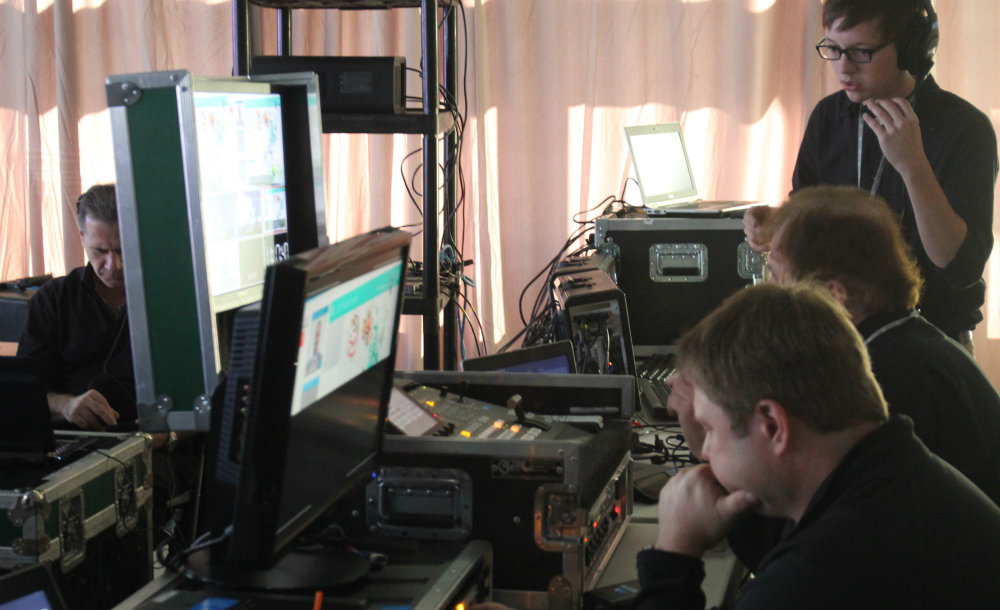
Event production focuses on the technical and content-driven aspects of an event — the things your audience sees, hears, and experiences.

Typical responsibilities include:
- Stage design and room layout
- Audio systems (microphones, speakers, mixers)
- Lighting and rigging
- Projection, LED walls, and display screens
- Video recording and live streaming
- Presentation support (PowerPoint, Keynote)
- Crew and technical staffing
- Show flow or run-of-show design
At HB Live, our event producers ensure the right equipment, crew, and technical direction are in place to deliver a seamless experience. Their job is to make sure your message is seen, heard, and felt exactly as intended.
Example: For a corporate town hall, the producer would focus on the stage layout, mic setup for speakers, camera angles for video capture, and visuals on the big screen.
Event production is about creating and executing the live experience.
What is Event Management?
Event management is about planning and logistics — ensuring the attendee experience runs smoothly from beginning to end.
Responsibilities typically include:
- Venue research and booking
- Vendor coordination (catering, décor, AV)
- Transportation and accommodation
- Staffing (registration, security, greeters)
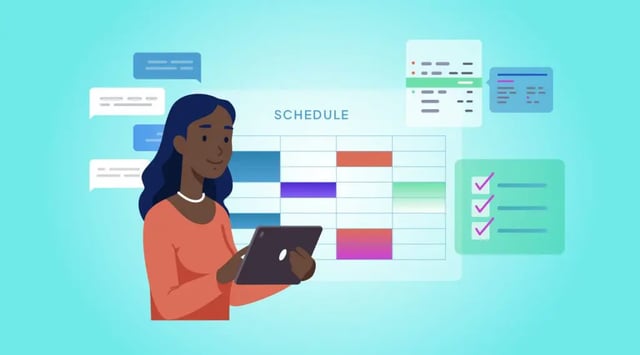
- Scheduling and timeline creation
- Budget management
- Registration systems and guest communications
While there is some overlap (e.g. décor, venue layout), event managers focus more on guest experience and overall event flow.
Example: For that same corporate town hall, the manager would coordinate venue access, staff the registration table, oversee catering, and keep the day on schedule.
Event management is about making sure every moving part works for the attendee.
Where the Two Roles Overlap
In many smaller events, the same person or team may handle both production and management. But for high-stakes or large-scale events, clearly separating the roles helps avoid bottlenecks and confusion.
Common overlapping areas include:
- Theme and décor
- Venue layout and seating
- Load-in and setup timelines
- Communication with third-party vendors
Collaboration is key. The best results happen when both roles understand each other’s goals and workflows.
Tips For Successful Collaboration
As you can see, there’s overlap and connection with these roles, and both jobs are often handled by one person or team. When you do face a project that requires assistance from different specialists, it’s important to get everyone involved in communicating effectively.
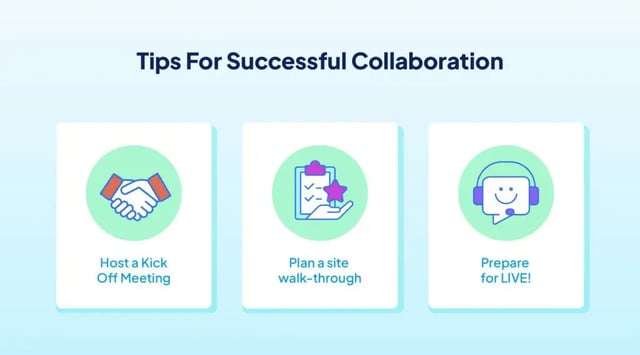
Host a Kick-Off Meeting
Be sure to invite all of your vendors and partners to a kick-off meeting and share each other’s contact information. It is clearly understood that you, the planner, are the boss and decision maker. Ask each partner to identify their team’s lead contact so there is no question about it later.
State the experience you want to deliver for the presenters, executives, and attendees. Provide information on the decisions that have been made, or still need to be made, regarding the venue, theme and schedule.
Plan a site walk-through
Now that you’ve assembled the team and they are working to craft your scope and budget, schedule a time to visit the selected venue and literally walk through the areas that will be used for your event. Event Managers may want to spend time with venue logistics like parking, handicap access, catering, pre-function spaces and even guest rooms (when held in a hotel).
The Event Producers will spend their time talking about load-in access, power, rigging, empty case storage and more.
Preparing for LIVE!
As a planner, you already divide your time and attention between multiple priorities daily. Define your personal schedule for the setup day through the tear down day, and when you will dedicate attention to the Production team versus the Management team.
If you have scheduled time to review the catering plan, make sure the AV & production team know so they are not disrupting you. Likewise, during a technical rehearsal, you should not be interrupted by your other partners (unless urgent, of course).
These boundaries help everyone respect each other’s work and keep the event flowing smoothly.
Conclusion: Event Pros Complement Each Other
Whatever kind of event you are planning, there are technical and logistical areas that must be addressed. The scale and location of your event will determine if you need assistance or may be able to manage tasks yourself. Take a moment to consider the best use of your time, energy and budget and call the partner best able to support your needs.

Do you need to plan an in-person or hybrid event and want an Event Production partner? We’re here to help! Contact us today to learn how HB Live will make your next event smooth and successful.