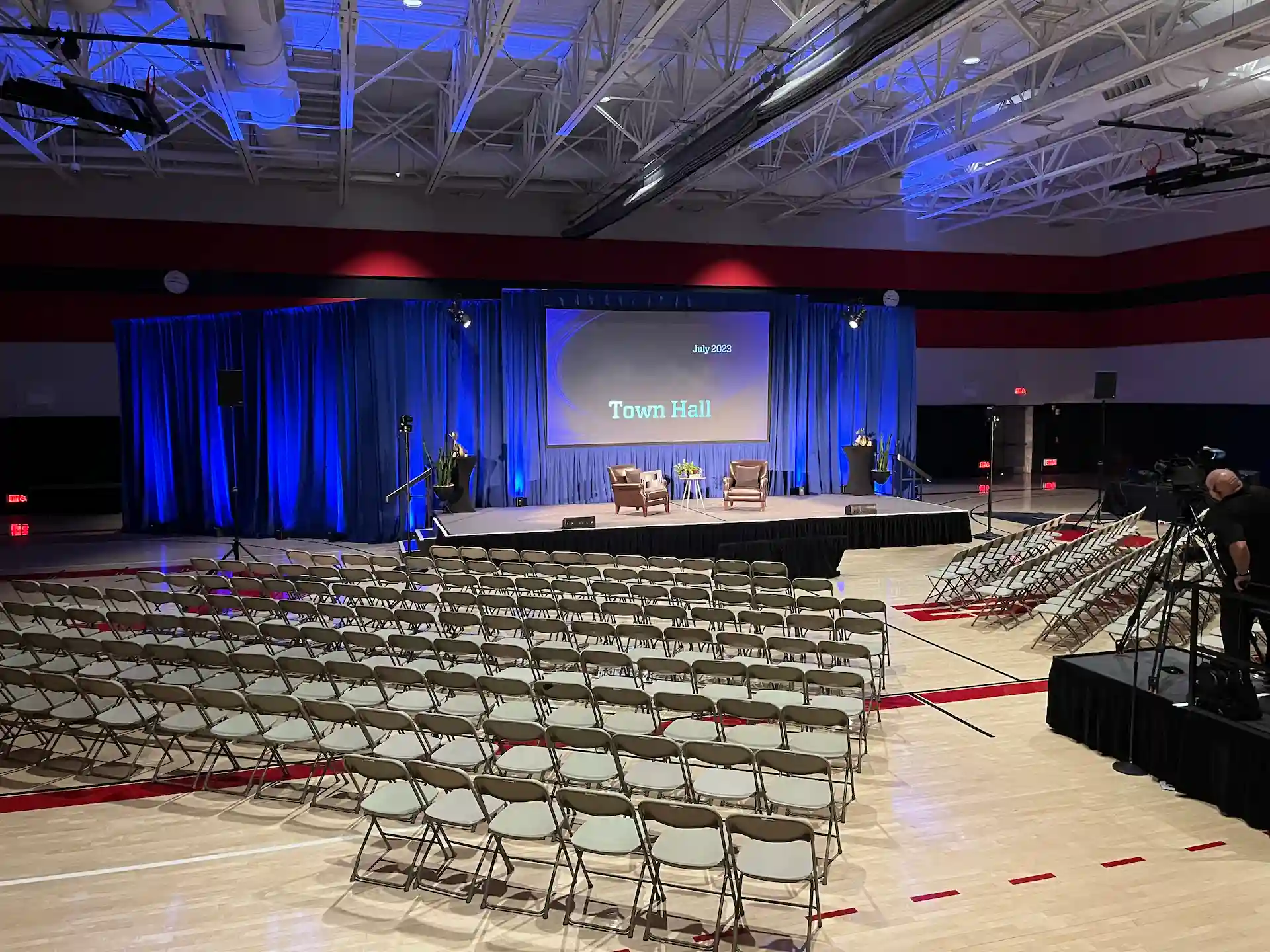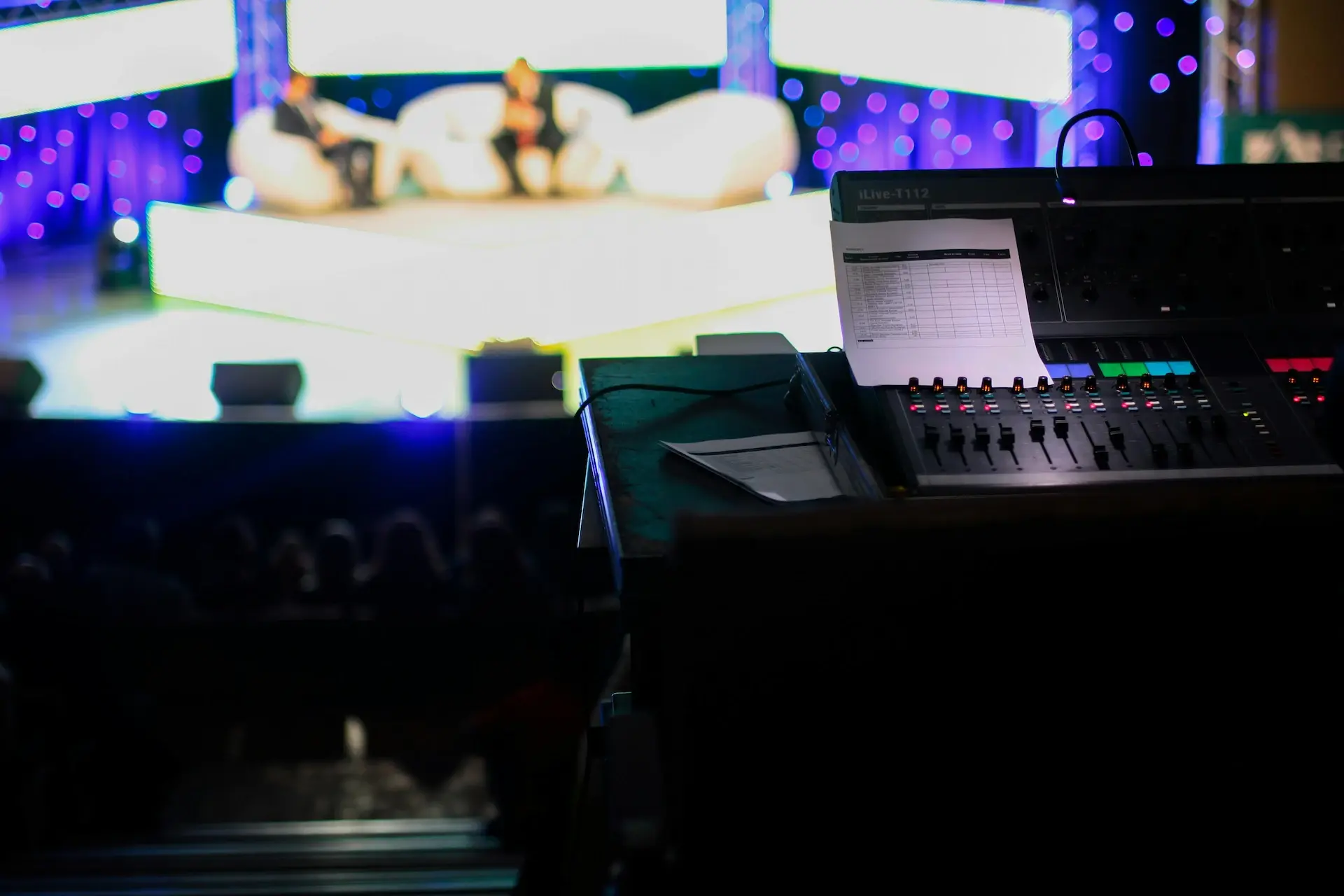
Corporate Event Production is a sub-section of the broad Live Event Production market. Just like events vary in scale, production companies also vary in their capabilities. Whether you are new to, or experienced in planning, elements of production we’ll discuss here are worth understanding.
This guide outlines critical information to know about what corporate event production is, the roles involved, how workflows unfold, what technology is used, how to choose a partner, and common pitfalls to avoid.
Many corporate events do not require high-touch production. Stakeholders need to balance their own capabilities, their teams’ technical ability and the importance of the event. Day-to-day meetings have a different production level than an annual Operational Kick Off, so read on to learn when to add a production company partner.
What Is Corporate Event Production?
Live Event production encompasses just about any event with a live audience that benefits from supportive AV and crew. Concerts, Broadway Shows, Festivals, Worship Services, and Awards shows are all kinds of Live Events but their goals are very different than the meetings and events happening every day in companies like yours.
Taking control of all technical, creative, and logistical elements necessary to bring an event to life is the role of the AV Event Production Company.
Definition and Overview
At its core, event production is the end‑to‑end planning, technical execution, and live management of the audio, video, lighting, staging, and content workflows that enable a corporate event to communicate clearly, consistently, and professionally—whether in‑person, virtual, or hybrid
Core Goals
- Presenter and Planner Experience: ensuring a smooth flow across the complete agenda so presenters are comfortable and confident in delivering their message.
- Audience Experience: Delivering clear, engaging moments that resonate with attendees.
- On-Culture and On-Brand: Reinforcing organizational identity through every visual and audio element.
- Operational Excellence: Reducing risk through precise logistics and expert execution.
Types of Events
Any of the following events benefit from the professional touch of a production company:
- Town Halls
- Board Meetings
- Client or Company Conferences
- Awards Programs
- Kick-off meetings and events
The Roles Involved in Event Production
A successful event relies on a collaborative team of strategic leaders, technical pros, and creative specialists.
Event Producer vs. Event Planner vs. Event Manager
- Event Producer: Executes on the goals of the Planner. Responsible for technical design & equipment, creative direction, team management and delivery strategy.
- Event or Meeting Planner: Usually “owns” the event on behalf of the Executive team. Crafts the agenda and is responsible for the budget. Selects the Event Producer and Event Manager, when applicable.
- Event Manager: Broad responsibilities may include venue selection, transportation, accommodations and coordinating all vendors. This role may be performed by the Planner depending on the scope of the company and their events.
Each role is distinct but works together to form the backbone of the event experience.
Key Production Team
In addition to the Producer or Show Caller, these team members help with design and logistics at every step of the process:
- Production or Project Managers: Under the direction of the Producer, match the AV technology and operators to the scope and budget provided by the client.
- Content Creators: Produce narrative video, graphics, and show assets.
- Scenic Designers: Design themed or brand‑aligned physical environments.
Together, these professionals turn vision into reality.
What Does an Event Production Company Do?
An event production company is a specialized partner that manages all technical and creative aspects needed to execute events successfully.
Overview of Production Companies
Production companies bring deep technical expertise, crew, equipment, and creative direction to support events of varying complexity. They act as the engine that powers live delivery, hybrid broadcast, and immersive experiences.
When your corporate event could benefit from the professional execution of one or more of the services listed below, it pays to partner with a specialist.
Typical Services
- Audio Systems: Microphones, speakers, intercom
- Video Display Systems: Projectors, large monitors, LED Walls
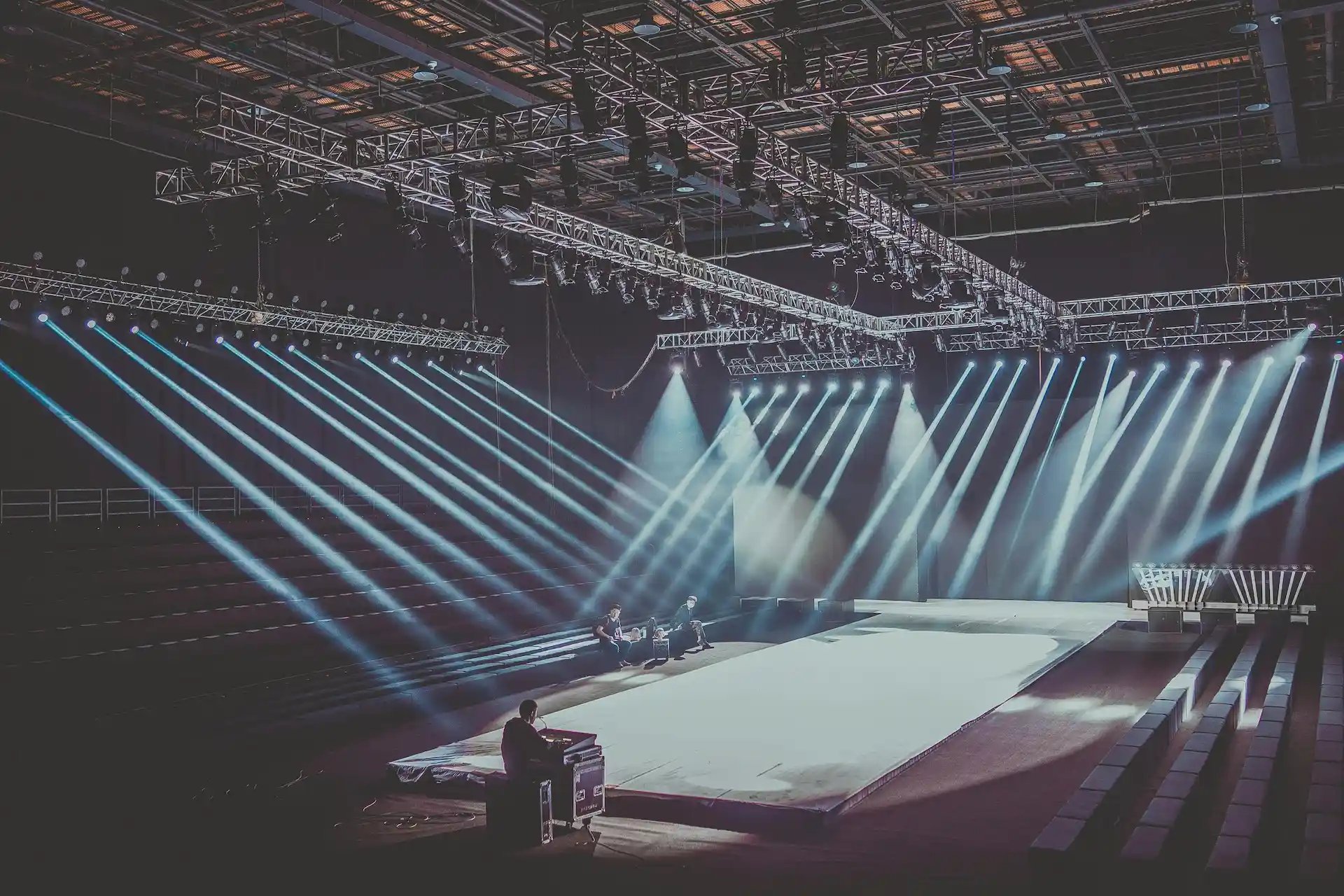
- Lighting: Design, lighting fixtures, rigging, control systems. These are a must for any hybrid or streaming event.
- Content Management: Professional PowerPoint or Media equipment and operators expertly manage presentation materials.
- Video Capture: Cameras and production switchers to display engaging TV-like visuals to the in-room and on-line audiences.
- Logistics & Execution Support: Staffing, timelines, load‑ins, and coordination.
- Show Calling or Directing: Build a run-of-show or Cue sheet and professionally direct the team
How Production Companies Support Different Event Types
Production support is adaptable and scalable for a boardroom meeting, dynamic for a hybrid summit, and robust for a public broadcast. Production companies tailor workflows and systems to each event’s unique goals and environments.
The production team is a partner and extension of Corporate Communications or Meeting Planners. They will collaborate on the agenda and room design and make recommendations to ensure a smoothly run event.
What Is End‑to‑End Event Production?
End‑to‑end production provides full lifecycle support, managing every phase from concept through teardown and reporting.
Definition
This approach ensures continuity, consistency, and accountability throughout all stages of an event.
Phases
- Concept and strategy
- Tech design and planning
- Pre‑production
- Set up and rehearsals
- Execution
- Teardown and post‑event reporting
Why End‑to‑End Matters
Full lifecycle support minimizes gaps, creates alignment between teams, and ensures that strategic goals carry through to delivery.
When Clients Need Full End‑to‑End Services
Clients with complex content, hybrid audiences, or high‑stakes messaging benefit most from this comprehensive model.
The Event Production Workflow
Successful event production is built on a repeatable, ordered process. Below is a breakdown of each key stage with both descriptive text and bulleted summaries to guide planning.
Stage 1: Concept & Strategy
Every event begins with intention. At this stage, stakeholders clarify the event’s goals, identify the presenter(s), the audience and the general format. Budget planning and high‑level creative direction are developed to guide subsequent design and technology decisions.
Key Tasks:
- Set objectives and audience outcomes
- Define general agenda and success criteria
- Build a high‑level budget
- Draft a creative and strategic brief
Stage 2: Pre‑Production
Pre‑production transforms plans into operational tasks. Venue walk‑throughs reveal logistical nuances. The draft run‑of‑show (ROS) is created, and technical requirements come into focus along with the necessary crew.
Key Tasks:
- Conduct a venue walk-through.
- Draft run‑of‑show document based upon the agenda.
- Identify key AV systems based on the agenda and venue.
- Assign crew roles and rough schedule
- Identify risks and build contingency plans
Stage 3: Tech Design & Planning
In this phase, creative vision becomes technical planning. AV needs are determined, stage and lighting designs are drafted, and control systems are mapped. This planning ensures that technical systems align with creative goals.
Key Tasks:
- Design AV Systems and identify running crew
- Design stage layout and scenic elements
- Develop lighting plots and rigging diagrams
- Establish signal flow and control architecture
- Finalize Run-of-Show and schedules
- Finalize budget
Stage 4: Setup & Rehearsals
Setup is where plans become reality. Crews assemble staging, lighting, AV gear, and control consoles. Tech and dress rehearsals ensure all systems function as expected, and crew communication is clear and coordinated.
Key Tasks:
- Complete load-in of equipment and infrastructure
- Test AV, lighting, and scenic systems
- Run technical and dress rehearsals
- Validate cue timing and transitions
- Support speaker rehearsals
Stage 5: Execution & Live Delivery
Show time. Show callers follow the run‑of‑show while technicians mix audio, switch video, run lighting cues, and support live streaming. Communication and precision are paramount during execution.
Key Tasks:
- Execute event cues in real time - show-calling perfection
- Provide technical support on the fly
- Manage audience interactions and live content
- Monitor systems for performance and stability
Stage 6: Teardown & Post‑Event
After the event, crews strike gear and restore the venue. A post‑event debrief captures lessons learned, and final deliverables, recordings, analytics, and reports are delivered to the client.
Key Tasks:
- Strike all equipment safely
- Conduct post‑event debrief
- Deliver content and analytics; perform video editing if required
- Collect stakeholder feedback
- Document lessons learned
Choosing an Event Production Partner
Selecting the right production partner is essential to achieving your goals.
What to Look for in a Vendor
- Proven experience in similar event types
- Transparent pricing and scope definitions
- Strong communication and responsiveness
- Creative strategic insight
Questions to Ask
- Have you handled events of a similar scale and format?
- How do you approach technical rehearsals and risk mitigation?
- What is your equipment redundancy strategy?
- How do you manage remote or hybrid audience delivery?
Smaller Crews vs. Full Production Houses
- Smaller Crews: Ideal for less complex events or specific technical tasks.
- Full Production Houses: Provide comprehensive services and support for high‑impact events.
Match resources to the complexity of your event goals.
Event Production Tools & Technology
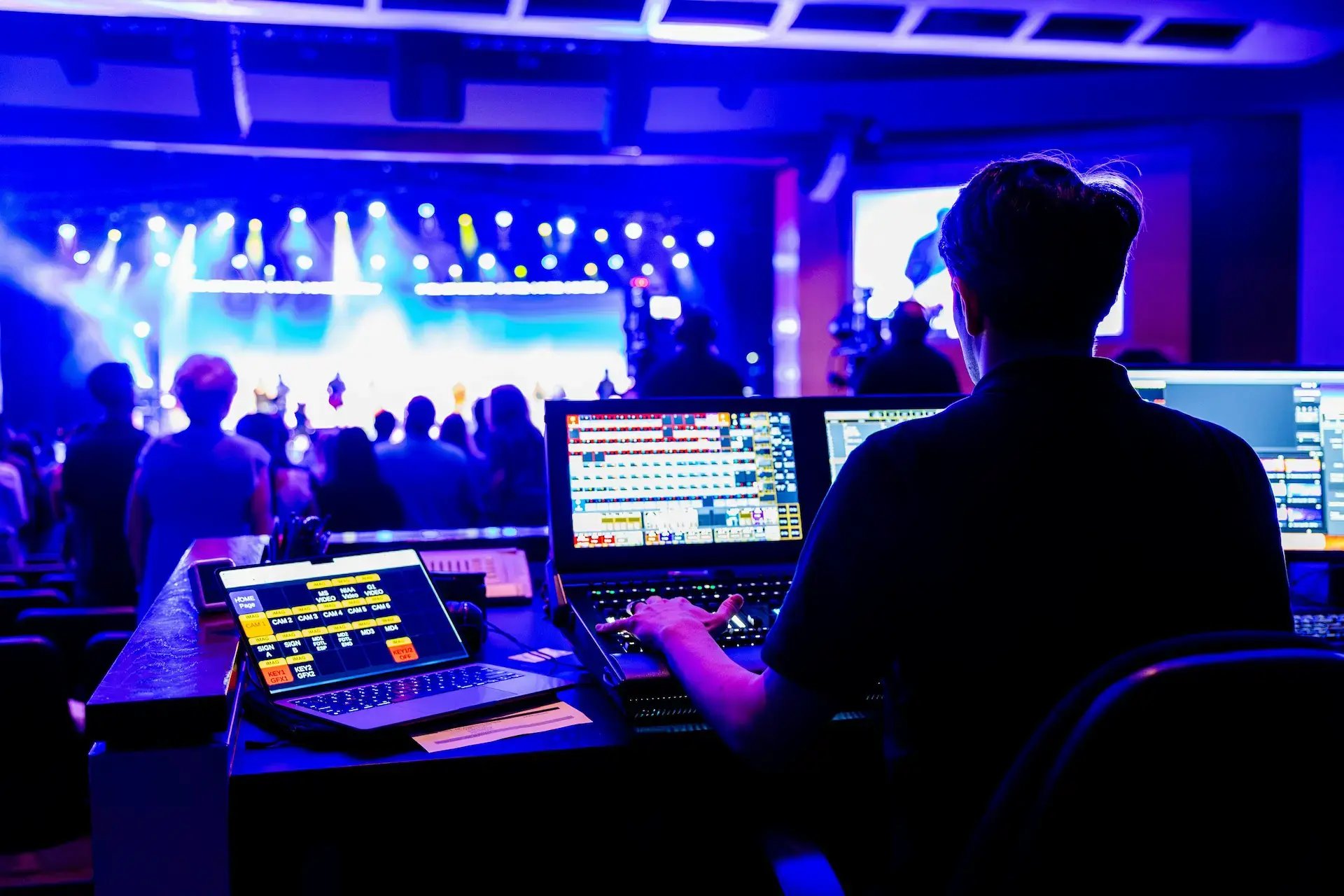
Event production relies on a wide range of gear and platforms that support audiovisual engagement and hybrid distribution.
AV Gear
- Projectors and screens
- LED walls and video processors
- Microphones and sound reinforcement
Lighting Technology
- Moving heads and intelligent fixtures
- DMX endpoints and control systems
- Ambient, key, and effect lighting
Control Systems
-
Software and hardware that manage cues, signals, and system coordination.
Live Streaming & Hybrid Platforms
-
Technologies that deliver content to remote audiences with low latency and high quality.
Common Mistakes in Event Production
Even seasoned teams can stumble if they overlook:
-
Insufficient Planning Time: Rushed timelines increase risks and reduce quality.
-
Underestimating Technical Needs: Technical gaps lead to disruptions, confusion, and inconsistent delivery.
-
Breaking Communication Channels: Poor communication between stakeholders and crew leads to misaligned expectations and late surprises.
Conclusion
Event production is a carefully coordinated blend of creativity, technology, and logistics. Understanding its core components, roles, workflows, technology, and partner selection empowers you to make strategic decisions that elevate your events from functional to unforgettable.
Whether you are planning your first hybrid event or sourcing a full production partner, use this guide to build clarity, confidence, and conviction in your next production investment.