Corporate events serve many purposes, from celebrating milestones to strengthening company culture and connecting teams. While strong agendas and speakers are important, entertainment is often what attendees remember most.
Thoughtfully chosen entertainment helps transform a routine gathering into a memorable experience. Whether your event is a company celebration, a client conference, or an internal team summit, the right entertainment creates energy, sparks conversations, and reinforces your organization’s brand identity.
This guide outlines 15 corporate entertainment ideas along with practical considerations to help you choose options that align with your goals, audience, and budget.
Why Entertainment Matters at Corporate Events
Entertainment is more than a break in the agenda — it’s a strategic tool that shapes the energy, flow, and overall impact of a corporate event. When thoughtfully planned, entertainment helps maintain attendee attention, encourages interaction, and reinforces key messaging throughout the experience.
Whether it’s used to open a conference, energize a mid-day session, or close an evening program, the right entertainment supports event objectives while creating memorable moments that resonate long after the event ends. From boosting engagement to strengthening brand perception, entertainment plays a meaningful role in delivering a polished and effective corporate experience.
Strengthen Engagement and Morale
Corporate entertainment creates moments of energy that keep attendees engaged throughout the event. Performances, interactive experiences, and creative activities help maintain attention and enthusiasm while offering attendees a refreshing change of pace from presentations and panels.
Boost Networking and Attendee Enjoyment
Shared experiences naturally encourage conversation. Entertainment elements such as interactive games, performances, or creative installations create informal opportunities for attendees to connect with colleagues, clients, and partners.
Support Brand Messaging and Memorability
Entertainment can reinforce an organization’s culture and brand identity. A thoughtfully curated experience that reflects company values or themes makes an event more memorable and meaningful for attendees.
How to Choose the Right Entertainment
Selecting entertainment should be a strategic decision that supports the purpose, audience, and overall tone of the event. The right choice can elevate engagement, encourage participation, and reinforce key messaging, while the wrong fit may feel disconnected or disrupt the flow of the agenda.
By considering factors such as event objectives, attendee demographics, venue logistics, and accessibility, planners can select entertainment that complements the experience and aligns with broader event goals. Taking a thoughtful approach ensures entertainment adds value rather than serving as a standalone element.
Align With Event Goals
The purpose of the event should influence the entertainment style.
Examples include celebration events that benefit from high-energy music or live bands, team-building gatherings that feature interactive games or group challenges, and brand-focused conferences that incorporate creative installations or themed performances.
Matching the entertainment to the event’s objectives ensures it enhances the experience rather than distracting from it.
Tailor to Audience Demographics
Consider the makeup of your attendees. Audience preferences can vary depending on industry, company culture, and demographics. Choosing entertainment that resonates with the audience increases participation and enjoyment.
Consider Budget and Venue Constraints
Budget and venue logistics play a major role in determining what is feasible. Some entertainment options require specialized staging, lighting, or technical support, while others can be delivered with minimal setup.
Planning early allows teams to balance creative ambition with practical limitations.
Think About Accessibility and Inclusiveness
Entertainment should be welcoming and accessible to all attendees. Consider mobility needs, sensory sensitivity, and diverse cultural backgrounds when designing the experience.
Inclusive entertainment ensures that every attendee can participate comfortably.
Corporate Entertainment Ideas
Corporate entertainment can take many forms, depending on the event size, audience, and overall objectives. From interactive experiences that encourage networking to high-energy performances that create memorable moments, the right entertainment helps shape the atmosphere and flow of an event.
The ideas below highlight a range of options that work well across different corporate settings, including conferences, team gatherings, client events, and celebration programs. Each option can be customized to match the tone, venue, and goals of your event.
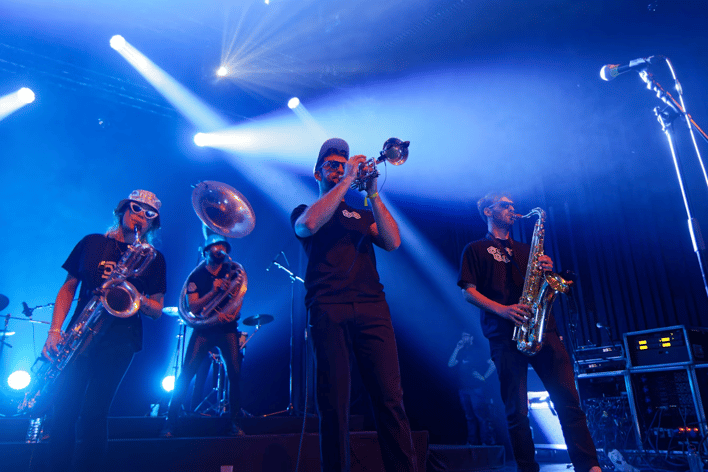
1. Live Bands and Musical Acts
Live music is a classic choice for corporate entertainment. A band can create atmosphere during receptions, dinners, or celebrations while bringing energy to the event.
Popular styles include jazz or instrumental groups for networking receptions, acoustic sets for relaxed environments, and high-energy cover bands for evening celebrations.
Matching the music style to the tone of the event ensures it complements the overall experience.
2. DJ Sets and Dance Floors
A professional DJ offers flexibility and variety, making it easy to adapt the music to different moments throughout the evening.
DJ led entertainment works well for after parties, celebration events, and networking receptions that transition into a social atmosphere. A well-designed dance floor can quickly become the focal point of an evening program.
3. Comedians or Improv Shows
Comedy provides lighthearted entertainment that can break the ice and energize the room.
Professional comedians or improv groups can deliver short performance sets between agenda sessions, headline entertainment during evening programs, or interactive audience participation moments.
When choosing a comedian, ensure their style aligns with corporate culture and audience expectations.
4. Interactive Game Stations
Interactive games encourage participation and friendly competition among attendees.
Examples include giant board games, virtual reality competitions, arcade-style gaming stations, and interactive trivia or quiz kiosks. Game stations work particularly well during networking sessions or breaks.
5. Photo Booths and GIF Walls
Photo booths are a popular way to create fun, shareable moments at corporate events.
Modern booths often include branded photo overlays, animated GIF creation, instant social sharing, and digital galleries for post-event engagement. These experiences combine entertainment with brand visibility.
6. Magicians and Mentalists
Professional magicians and mentalists offer a unique form of interactive entertainment.
Close up performances during networking receptions allow performers to move between groups, creating intimate moments of surprise and curiosity. These acts are especially effective at cocktail receptions and smaller corporate gatherings.
7. Virtual Reality Experiences
Virtual reality entertainment introduces a technology-driven element that many attendees find exciting and memorable.
VR experiences can include virtual adventures or simulations, multiplayer competitions, and interactive branded experiences. These installations are especially effective for innovation-focused events.
8. Art Installations and Live Painters
Creative installations can double as both entertainment and decor.
Examples include live painters capturing the event atmosphere, interactive murals where attendees contribute artwork, and sculptural or digital art displays aligned with the event theme. These experiences add visual interest and create conversation points throughout the venue.
9. Celebrity Guest Appearances
Inviting a recognizable guest can elevate the profile of an event.
Options may include motivational speakers, industry experts, or influencers aligned with the brand. Celebrity appearances can generate excitement and help reinforce key messages.
10. Cultural or Themed Performances
Cultural performances bring color, energy, and storytelling to an event.
Examples include dance troupes, cultural music ensembles, and themed theatrical performances. These performances can connect to brand themes, company heritage, or global audiences.
11. Interactive Workshops
Workshops provide entertainment while also offering attendees a hands on learning experience.
Popular workshop formats include mixology sessions, cooking demonstrations, and creative art or craft classes. These activities encourage collaboration and conversation among attendees.
12. Charity and Team Challenges
Purpose-driven activities combine entertainment with social impact.
Examples include team challenges supporting charitable causes, group fundraising competitions, and volunteer-style collaborative activities. These experiences can strengthen team bonds while supporting meaningful initiatives.
13. Silent Disco Experiences
Silent discos provide a unique twist on traditional dance entertainment.
Participants wear wireless headphones and choose between multiple music channels, allowing them to personalize their experience while keeping noise levels controlled. This format works particularly well in venues with sound restrictions.
14. Live Competitions and Talent Shows
Employee talent shows, or friendly competitions, can become a highlight of internal events.
Examples include singing or performance contests, team trivia competitions, and creative showcases featuring employee talent. These activities celebrate company culture and encourage participation.
15. Projection Mapping and Visual Spectacles
Projection mapping uses digital visuals to transform walls, stages, or architectural surfaces into immersive displays.
These dynamic visuals can enhance stage presentations, support brand storytelling, and create dramatic opening or closing moments. Successful projection experiences rely on precise alignment, lighting control, and advanced AV production.
Budget and Scale Guide
Entertainment options can vary widely in cost, production requirements, and overall impact. Understanding how different ideas align with budget levels helps planners prioritize experiences that deliver value without overextending resources.
By grouping entertainment into general tiers, teams can quickly identify options that match event size, goals, and logistical constraints. Whether planning a small team gathering or a large-scale corporate conference, aligning entertainment with budget and scale ensures a balanced and well-executed experience.
Low-Budget Entertainment Options
Simple experiences can still be highly engaging, especially for smaller gatherings or networking-focused events. Examples include photo booths, interactive games, and employee talent showcases. These options typically require minimal staging, lighting, or technical infrastructure, making them easy to implement in a variety of venues.
Mid-Range Crowd Favorites
Moderate budgets allow for more polished entertainment such as professional DJs, comedians or improv performers, and interactive workshops. These experiences offer strong engagement while introducing more structured programming and light production elements like sound reinforcement or basic lighting.
High-Impact Premium Ideas
Larger events or flagship gatherings may justify premium entertainment, including celebrity speakers, projection mapping installations, and large-scale immersive experiences. These options often involve advanced production planning, custom staging, and integrated audiovisual support to deliver a memorable, high-impact experience.
Logistics and Planning Tips

Even the best entertainment ideas require careful planning to execute successfully. Logistics such as technical requirements, venue layout, and attendee accessibility all influence how smoothly entertainment integrates into the overall event.
By addressing these considerations early, planners can avoid last-minute challenges and ensure entertainment enhances the experience without disrupting the agenda. Thoughtful coordination with production and AV teams also helps maximize impact while maintaining a seamless flow.
Technical Requirements and AV Support
Many entertainment elements rely on audio systems, lighting design, staging, or video support. Coordinating early with an AV or production team ensures the appropriate equipment, power, and technical crew are planned in advance. This preparation helps avoid delays and supports a polished, professional experience.
Space and Venue Considerations
Different entertainment formats require varying amounts of space. Dance floors, VR zones, and installations should be incorporated into the venue layout to prevent congestion and maintain clear audience flow. Planning placement carefully also ensures entertainment enhances, rather than competes with, other event activities.
Safety and Accessibility
Event planners should evaluate safety considerations such as crowd movement, equipment placement, and accessibility for all attendees. Creating an environment that accommodates diverse needs helps ensure everyone can participate comfortably and improves the overall event experience.
Conclusion
Corporate entertainment plays an important role in shaping the atmosphere and overall impact of an event. When thoughtfully selected and well executed, entertainment can create energy, encourage meaningful connections, and leave attendees with lasting impressions.
Whether incorporating live music, interactive experiences, or immersive visual elements, the most effective entertainment aligns with event goals, audience expectations, and brand identity. Considering logistics, budget, and production requirements early in the planning process helps ensure a seamless experience.
With the right strategy and coordination, corporate entertainment can transform standard gatherings into engaging, memorable events that support both business objectives and attendee experience.