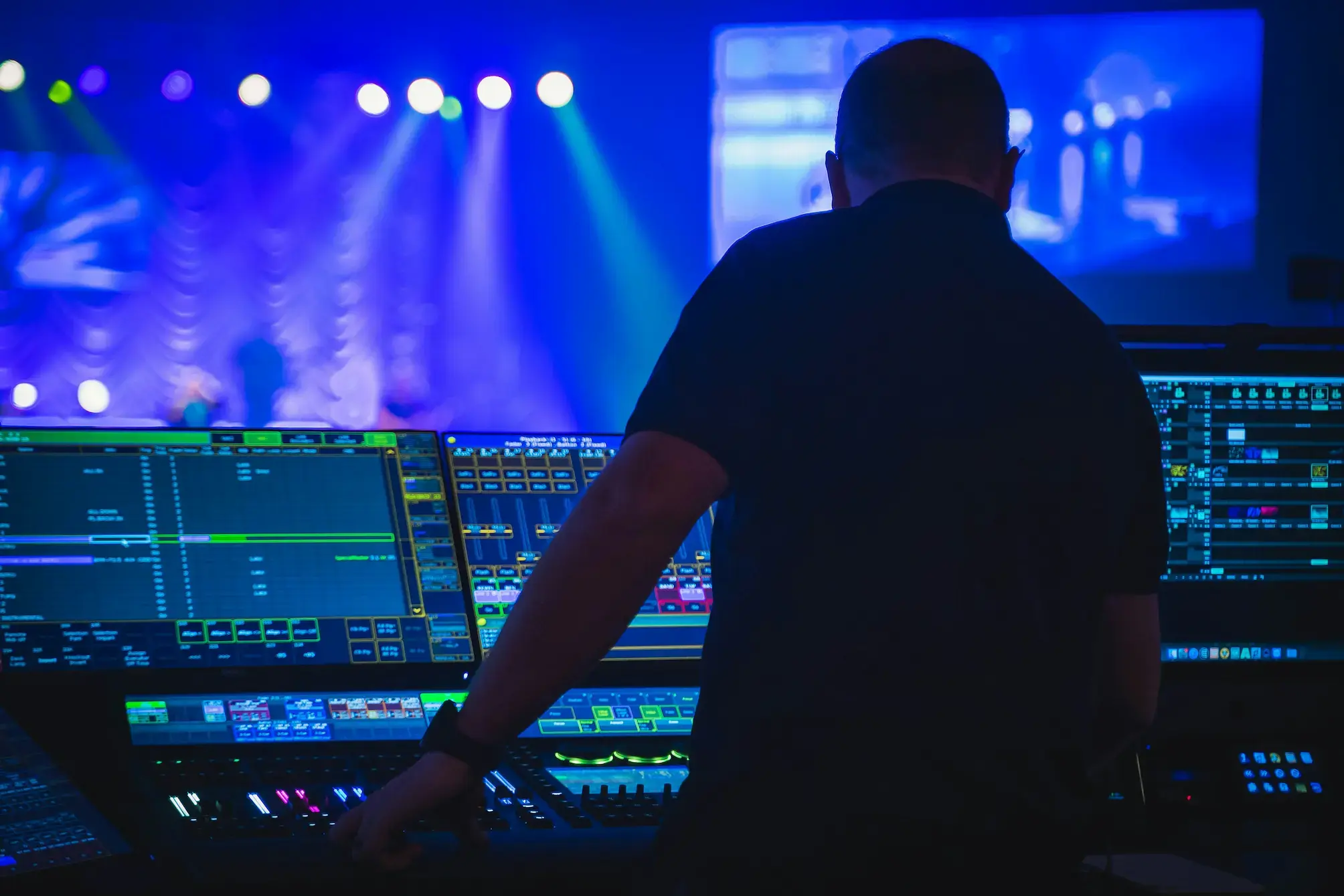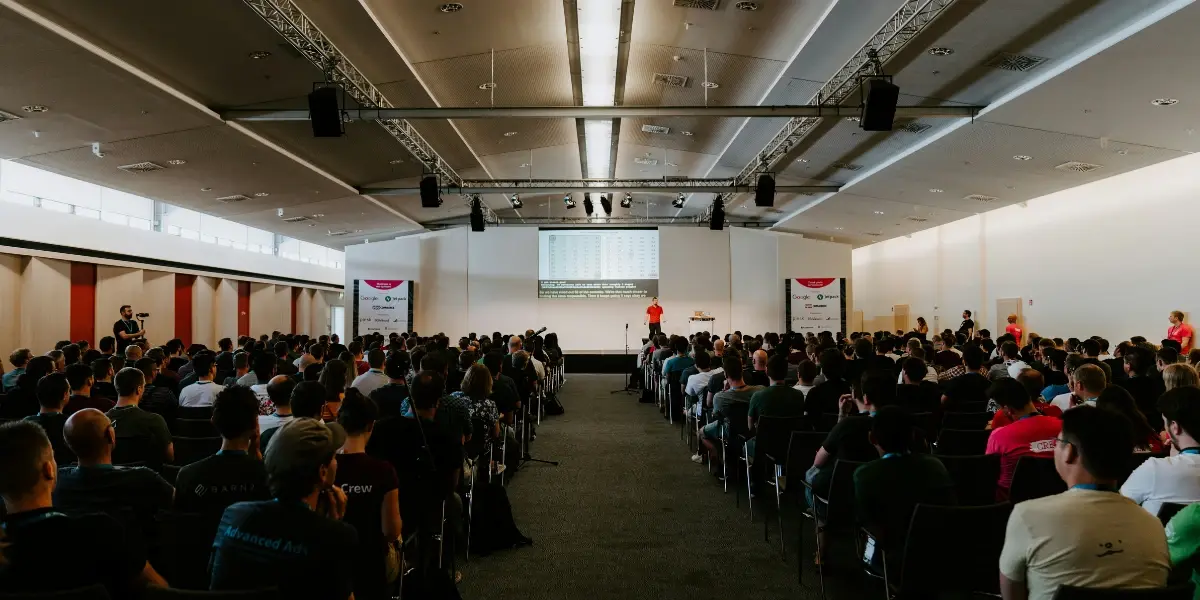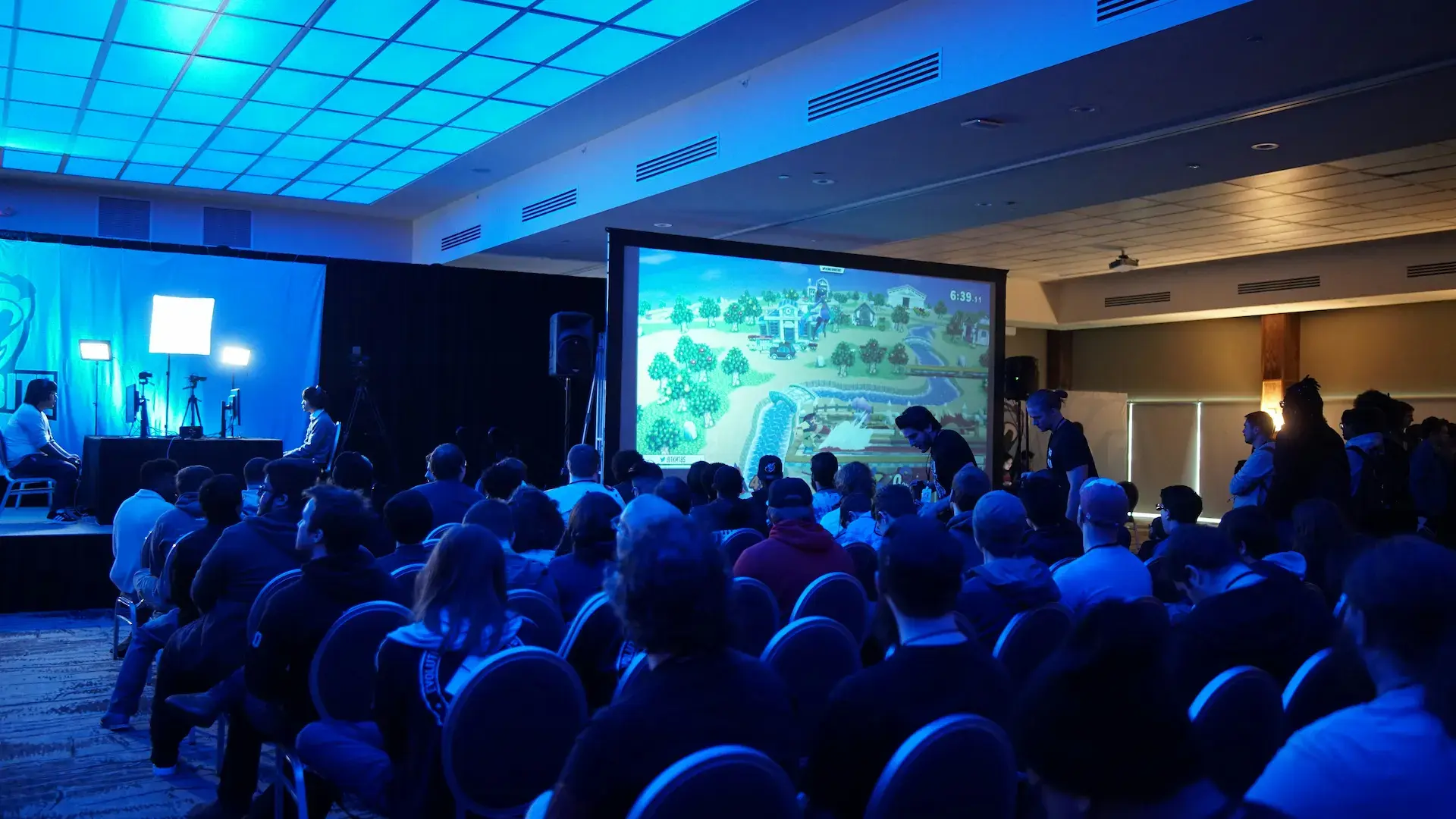
As the events industry evolves, audiovisual (AV) services are no longer a back‑end necessity; they’re a strategic force shaping how audiences connect, engage, and remember every experience. Whether you’re supporting hybrid summits, dazzling live activations, or content‑rich broadcasts, the trends identified here will shape the future of AV.
This guide outlines the top trends AV professionals should understand and embrace to stay competitive and relevant in a rapidly shifting landscape.
Why AV Services Are Central to 2026 Event Technology Trends
AV has transitioned from a technical support role into a core strategic partner for event design and execution.
The expanding role of AV in hybrid, immersive, and branded event experiences
Today’s audiences expect experiences that feel seamless and sophisticated, whether they’re in the room or joining from afar. AV systems are increasingly responsible for crafting those experiences, shaping everything from storytelling visuals to interactive touchpoints that make events feel alive and memorable.
AV as a strategic, not just technical, partner
More than ever, AV providers are consulted early in the planning process, not just during load‑in. They help determine audience flow, spatial design, content delivery strategies, and even success metrics. If you’re only deploying equipment on the day of an event, you’re missing out on your most impactful role.
1. AI‑Powered AV Operations and Automation
Artificial intelligence isn’t future talk; it’s practical and lives today.
AI‑enhanced AV scheduling, diagnostics, and system control
In 2026, AV ecosystems will increasingly self‑optimize. AI can anticipate equipment needs, manage schedules, and run system diagnostics that flag issues before they become showstopper moments.
Real‑time AV adjustments based on audience behavior
Imagine AV systems that adjust lighting intensity based on crowd movement, optimize sound levels based on audience density, or automatically cue visuals in response to engagement data. That level of responsiveness will redefine live experience quality.
Real Example: Universities and workplaces are upgrading AV systems to include networked automation and remote support — such as the University of Rhode Island’s campus‑wide AV modernization project that standardizes AV tech, enables remote management, and supports hybrid classrooms with automated control and diagnostics.
Why it matters: AI‑enabled diagnostics and scheduling tools can reduce onsite troubleshooting and enhance reliability in live events and meetings.
2. Immersive AV Experiences: Lighting, Audio & Visual Fusion
Immersive experiences elevate content beyond screens and stages.
Multi‑sensory integration using projection mapping, surround audio, LED walls
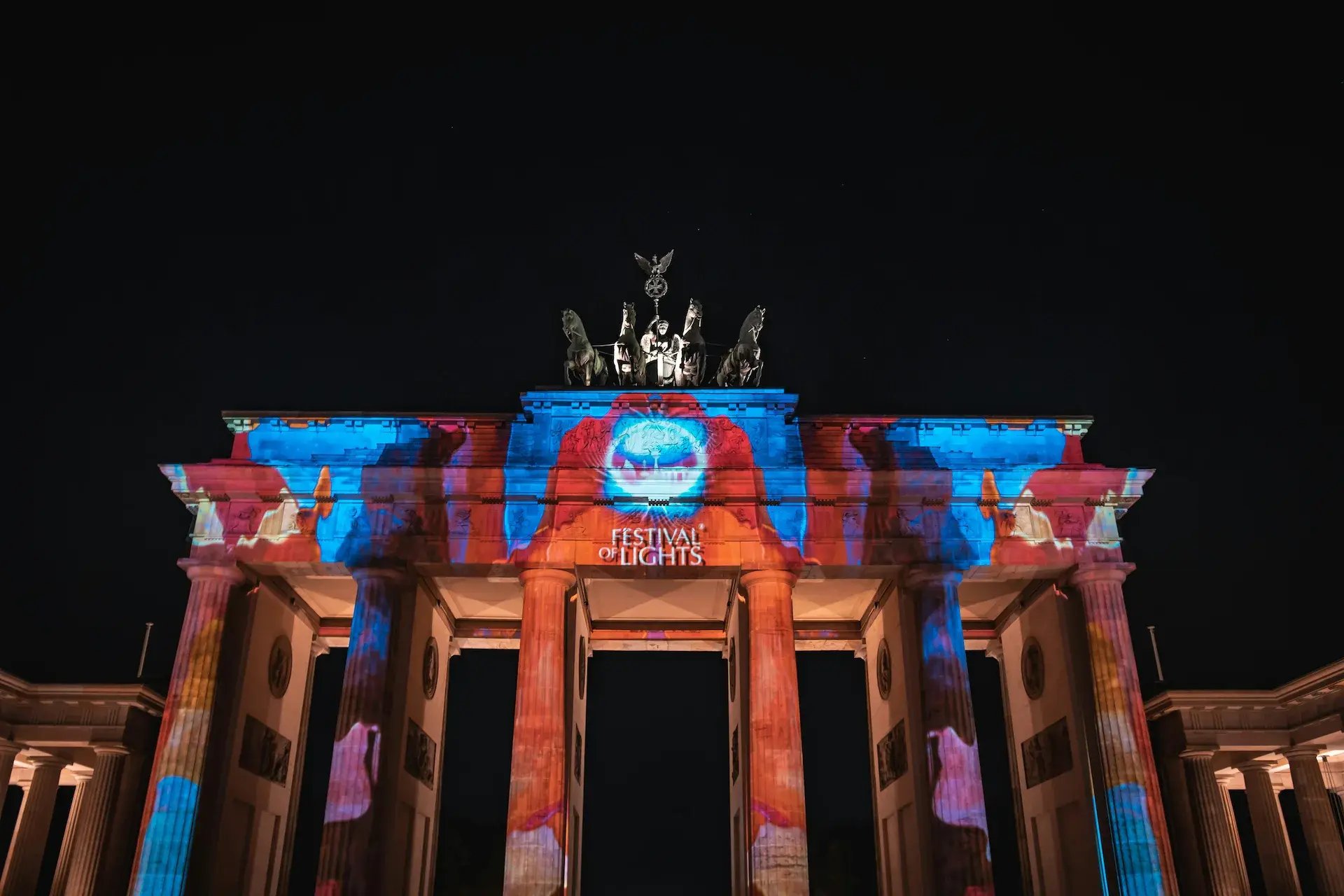
Immersive design is about blending technologies. Projection mapping transforms surfaces into dynamic stages; spatial audio creates presence and mood; LED walls deliver crisp visuals that feel like part of the environment rather than a backdrop.
AV gear for spatial audio and ambient control
Audience expectation for rich sensory experiences pushes AV providers to adopt technology that blends sight, sound, and atmosphere into one cohesive narrative.
Real Example: The Vegas Sphere in Las Vegas uses massive interior LED wrap‑around screens and advanced spatial audio systems to create fully immersive concert and brand experiences — from U2 residencies to multi‑sensory art shows.
Why it matters: Multi‑sensory environments captivate audiences with visuals and sound that go beyond standard stage setups.
3. Seamless Hybrid AV Setups
Hybrid events, where in‑person and remote audiences participate simultaneously, are here to stay.
Blended in‑person/remote environments requiring dual‑purpose AV
These formats demand systems capable of capturing, mixing, streaming, and presenting in ways that serve two audiences at once, without compromise.
Streaming setups, remote presenter AV, and digital audience engagement tools
From high‑quality capture rigs to interactive tools that bring remote attendees into the conversation, hybrid AV isn’t a nice‑to‑have; it’s a standard expectation.
Real Example: Shiseido Americas Annual Conference, where a comprehensive hybrid AV solution was deployed across five regional offices and a central broadcast hub. This setup supported 2,500 employees with both live and virtual components, remote presenters, synchronized branding, and seamless real-time interaction, all powered by scalable production infrastructure.
Why it matters: Producing events that satisfy both physical attendees and remote participants is no longer optional, it’s expected.
4. LED Walls, Visual Impact, and Projection Innovation
Visual technology continues to lead the charge in event production.
Rise of modular LED configurations as AV centerpieces
Modular LED panels allow designers (and AV teams) to create custom shapes and immersive spaces that standard screens simply can’t match.
Projection blending, ultra‑wide formats, and real‑time visuals
Projection tech isn’t going away; it’s becoming more seamless, creative, and central to audience impact. Blended projection environments and real‑time visual mixing make every surface a potential storytelling canvas.
Real Examples:
- Immersive theatrical and entertainment productions are using advanced LED processors and content systems to transform venues and stages into dynamic visual environments (e.g., Brompton Technology‑powered installations).
- Large venues like the Kia Center arena in Orlando are outfitting massive LED displays with tens of millions of pixels, dramatically increasing visual impact for sports, concerts, and live shows.
Why it matters: High‑impact visuals help brands tell stories that are more engaging and memorable.
5. Demand for Customizable and Scalable AV Systems
One size no longer fits all.
Modular AV kits for different event types
From boardrooms to arenas, AV systems that scale, physically and functionally, let providers support everything from small meetings to complex multi‑stage productions with confidence.
Portable yet powerful AV systems for remote or mobile activations
Remote activations, site visits, and pop‑up events all benefit from AV kits that are both rugged and capable.
Real Context: Case studies show that AV integration projects now focus on adaptability, such as multi‑zone visual installations and hybrid program support, across corporate and public spaces.
Why it matters: AV kits that scale for large arenas, remote sites, or intimate boardrooms allow providers to adjust to any event type quickly and cost‑effectively.
6. Increased Use of AV‑as‑a‑Service (AVaaS)
Clients increasingly prefer predictable, subscription‑style access to AV.
Subscription AV gear models, remote monitoring, and support
Instead of one‑off rentals, AVaaS allows organizations to have ongoing access to equipment, remote diagnostics, and consistent support that adapts with their needs.
Predictable costs and maintenance for clients
Fixed monthly or annual plans help clients budget better and ensure systems stay updated without surprise costs.
Real Context: As outlined in this industry report on the growing popularity of AVaaS, the model is gaining momentum as AV evolves into a managed service. Instead of large capital investments, clients increasingly prefer subscription‑based access to AV systems, bundled with remote monitoring, regular maintenance, and technical support — offering long‑term value with less risk.
Why it matters: AVaaS provides clients with predictable costs, scalable support, and future‑proof solutions, making it ideal for organizations that host frequent events or maintain multi‑location AV infrastructure. For AV providers, this model fosters recurring revenue, stronger client retention, and a shift from transactional rentals to strategic, service‑based relationships.
7. AV Talent Shortage and Skills Evolution
Technology advances fast and skills must keep pace.
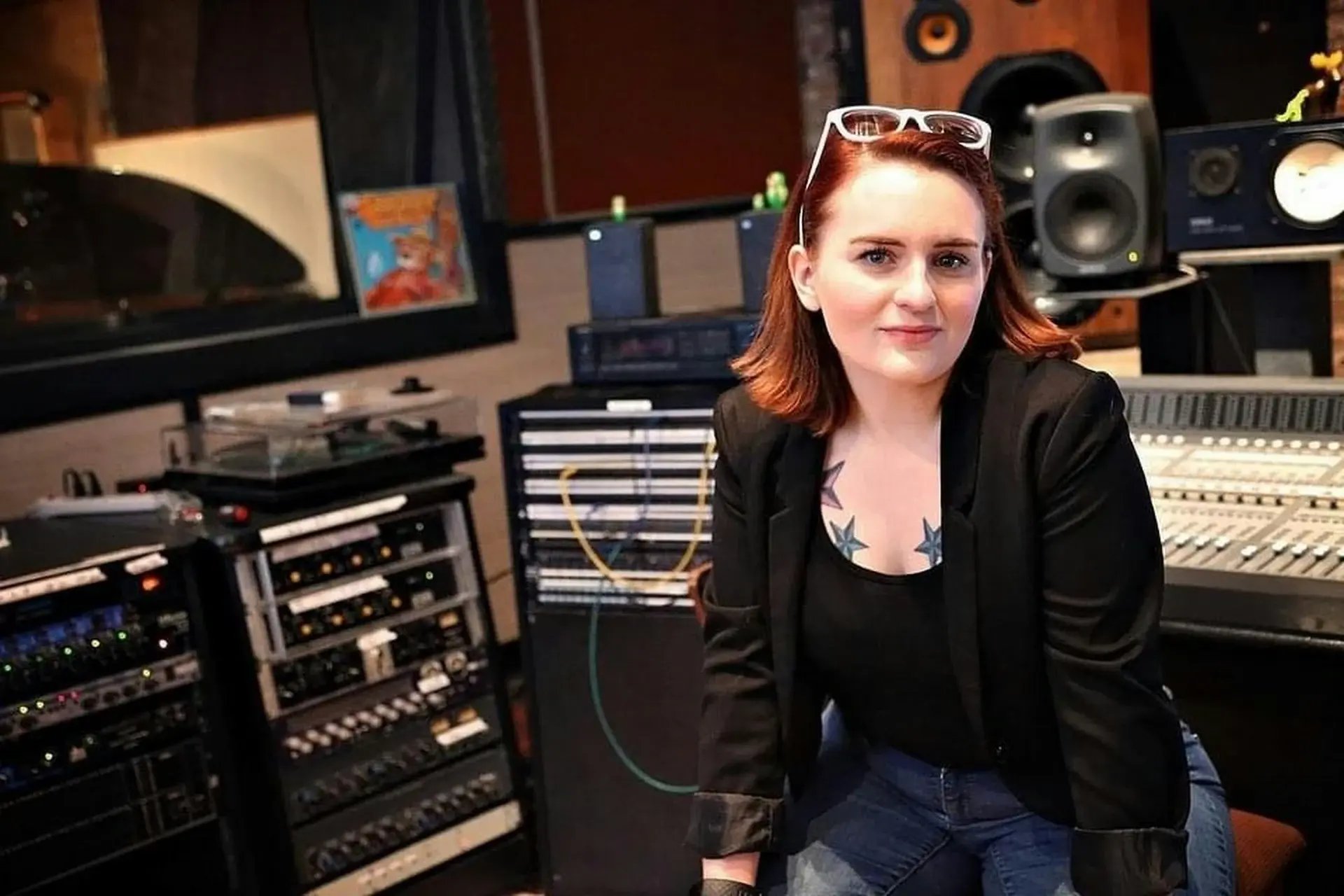
Rise in demand for AV generalists with tech and creative acumen
Hybrid event systems, immersive design tools, and intelligent automation all drive demand for AV pros who can think both technically and creatively.
Importance of continual training on new platforms
Training isn’t optional; it’s essential. Providers who invest in their teams’ skills will deliver higher value and fewer on‑site surprises.
Real Context: Industry trend analysis shows that the traditional, single‑discipline AV role is evolving. According to a 2026 outlook on workforce trends in live production, the industry is seeing a growing need for AV professionals who combine technical expertise with creative and operational fluency, capable of moving seamlessly between audio, video, lighting, streaming, and digital platforms.
Why it matters: For AV providers, investing in continual training and cross‑disciplinary development isn’t just a response to talent shortages, it’s a competitive advantage that directly impacts event quality, resilience, and client confidence.
How AV Companies Can Prepare for 2026 Event Technology Trends
Staying ahead requires both investment and intention:
Invest in future‑ready gear
Prioritize technology that supports hybrid delivery, immersive environments, and flexible deployment.
Upskill techs and streamline logistics
Training, cross‑disciplinary experience, and efficient workflows reduce risk and amplify impact.
Prepare internally so you can show up confidently for every client, every event, and every unexpected moment.
Conclusion: Evolving with the Industry
The events and AV landscape in 2026 is dynamic, but the teams that embrace innovation will thrive. These trends reflect not just where technology is heading, but how audiences, planners, and organizations increasingly rely on AV to craft meaningful, measurable, and memorable experiences.
To succeed, AV providers must be ready to innovate, collaborate, and educate, pushing beyond the cables and consoles to become trusted partners in shaping the future of live and hybrid events.